 Save to Pinterest
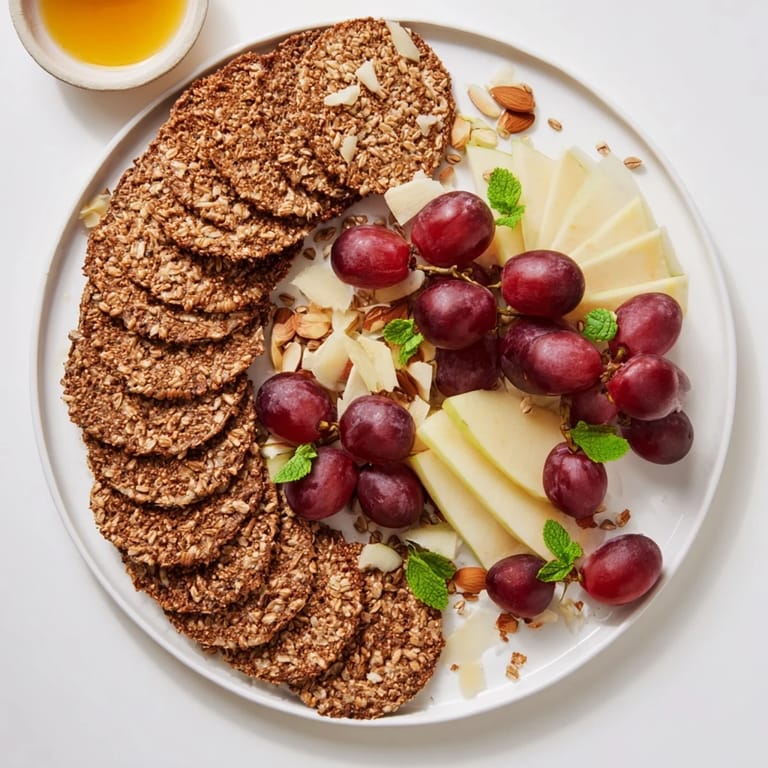
 There's something about standing at the kitchen counter late on a Saturday afternoon, the light slanting gold through the window, when you suddenly understand that some of the best meals don't require cooking at all. I was arranging fruit and bread on a board for friends dropping by, and I thought about how my grandmother used to sweep the grain fields back in her village, a long rhythmic motion that seemed almost like a dance. That's when it clicked—why not arrange everything to look like that, like a scythe has just passed through? What started as a whim became the most talked-about thing I'd ever brought to a table.
I made this for my partner's birthday gathering, and what I didn't expect was how it became the centerpiece of every conversation. People kept circling back to the board throughout the evening, pairing different breads with different fruits, discovering little flavor combinations I hadn't even considered. Someone noticed how the colors naturally told a story from deep purple to pale cream to sunset orange. By the end of the night, the board was mostly empty, but the memory of how it brought everyone together felt like the real nourishment.
Ingredients
- Baguette, sliced: The foundation of texture and curve; slice at an angle to catch light and create visual drama on the board.
- Multi-grain crackers: These add rusticity and the crunch that makes people reach back for more.
- Seeded rye bread, thinly sliced: The darker tones create visual depth and taste slightly more assertive than wheat.
- Cooked and cooled farro or barley: Toasted grains scattered through the arrangement echo an actual harvest and add earthy flavor.
- Seedless red grapes: Jewel-like in appearance and they stay fresh longest, so they're your safety net on a crowded board.
- Sliced pears: Slice them just before serving to avoid browning, and their sweetness bridges bread and cheese beautifully.
- Sliced apples: I learned to toss mine in a tiny bit of lemon juice, which keeps them bright and prevents that sad grey look.
- Dried apricots: Concentrated sweetness that contrasts wonderfully with salty cheese and saves you if fresh fruit browns.
- Fresh figs, halved: If you can find them, they're worth it; if not, dried figs work just as well and have a deeper flavor.
- Brie cheese, sliced: Soft and spreadable, it becomes almost luxurious when paired with the right bread.
- Aged cheddar, cubed: Sharp and crumbly, it's the cheese that makes people say 'oh wow' out loud.
- Honey or fig jam: A drizzle transforms simple bread into something memorable.
- Fresh mint leaves: Aromatic and green, they're the finishing touch that says someone actually cared about this.
- Roasted nuts: The crunch is essential; it's the textural surprise that makes the whole thing feel complete.
Tired of Takeout? 🥡
Get 10 meals you can make faster than delivery arrives. Seriously.
One email. No spam. Unsubscribe anytime.
Instructions
- Create your scythe blade:
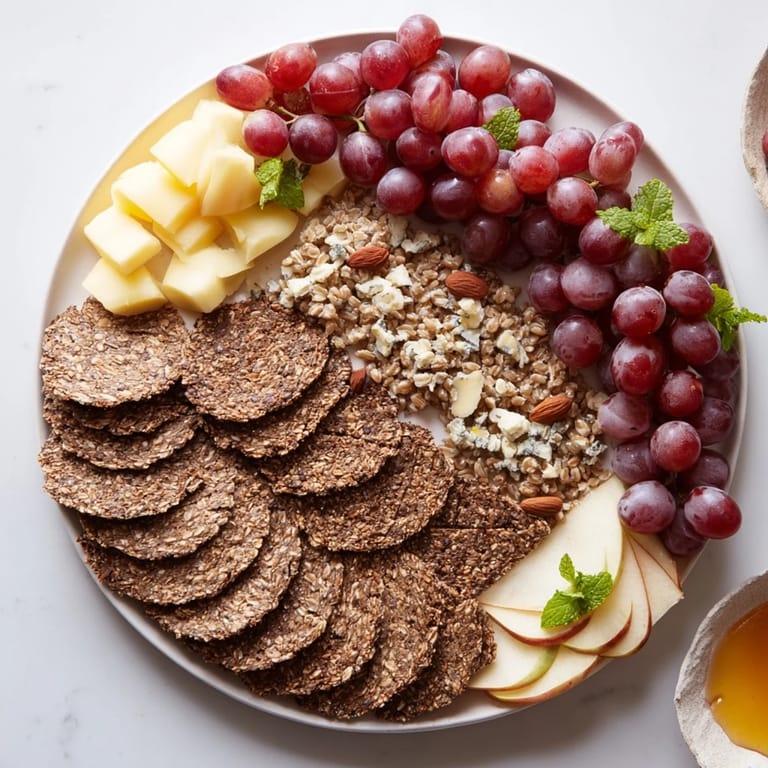
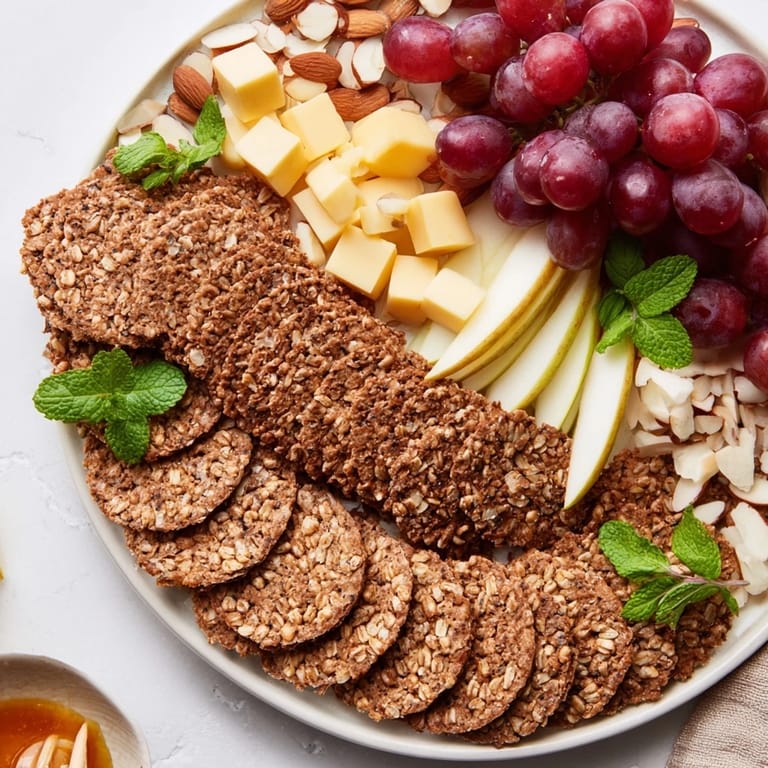
- Arrange the sliced breads and crackers in a sweeping, curved line across your board, starting from one corner and arcing toward the opposite edge. Let them overlap slightly like they're falling in that graceful cut.
- Build the field:
- Scatter your cooked grains along the inner curve of that bread line, spreading them thin and evenly so they catch light like real grain stubble. The contrast between the grain pile and the golden bread is where the visual magic happens.
- Place the fruits with intention:
- Fan your sliced fruits alongside and between the breads, letting colors blend where they naturally want to—don't overthink this part. The beauty lives in the variation and how each color catches the light differently.
- Anchor with cheese:
- Tuck small clusters of brie and cheddar near the breads where they'll be easy to grab and pair. Think of them as little flavor destinations people will naturally reach for.
- Add your liquid gold:
- Set small bowls of honey or jam at the edges of the board where people can drizzle or dip without hesitation. These are your flavor boosters that tie everything together.
- Finish with flourish:
- Scatter fresh mint leaves across the arrangement and shower the whole board with roasted nuts, letting them tumble into crevices and across the fruits. This final layer transforms the board from pretty into aromatic.
- Serve with confidence:
- Bring it to the table immediately while everything is at peak freshness and the bread still has its slight crispness. The magic of this dish is partly in that fleeting moment before anyone eats it.
 Save to Pinterest
 What surprised me most about this dish wasn't how it looked or tasted, but how it changed the rhythm of a gathering. Instead of everyone sitting down immediately, people lingered at the board, talking and discovering, their hands busy and their mouths happy. It became less about feeding people and more about creating a moment where good food and good company felt like they were designed to go together.
The Art of the Board
Building a beautiful platter is less about following rules and more about understanding that contrast makes everything better. The darkest rye beside the lightest cheese, the soft fruit next to the crisp cracker, the smooth spread against the textured nut—every pairing creates a small story. I think of it like painting, except your viewers get to taste their favorite colors when they're done looking.
Timing and Temperature
The only real time pressure here is keeping things cold and fresh, so I always prepare my board no more than an hour before guests arrive. The breads stay crispest if you assemble them last, and the fruits maintain their texture best at room temperature but with a cold platter underneath. It's a small dance, but getting it right means every bite tastes like it was meant to taste.
Making It Your Own
The beauty of a harvest board is that it becomes whatever you want it to be. I've made versions for people with dietary restrictions by swapping in gluten-free breads and vegan cheeses, and honestly, I couldn't tell the difference in how beautiful it looked. Some seasons I lean toward berries and stone fruits, other times toward dried fruits and toasted grains. The scythe shape is just your starting point; from there, trust your instincts and what's best at your market that day.
- Seasonal variations mean this dish reinvents itself four times a year without you really trying.
- Don't be afraid to leave things off if someone at your table can't eat them; the board is still stunning without dairy or nuts.
- The honey and nuts are optional accents, but they're the difference between good and unforgettable.
 Save to Pinterest
 This dish taught me that sometimes the most memorable meals are the ones where you stand back and let beauty do half the work. Serve it with confidence, and watch how it transforms a regular gathering into something people remember.
Recipe FAQs
- → What breads work best for this platter?
Use a mix of small baguette slices, seeded rye bread, and multi-grain crackers for variety in texture and flavor.
- → Can I substitute the grains used here?
Yes, cooked farro or barley works well. Quinoa or couscous can be alternatives if preferred.
- → How should the fruits be prepared?
Wash and thinly slice pears and apples, halve fresh figs or swap for dried ones, and use whole seedless grapes for easy snacking.
- → What cheese options complement these ingredients?
Brie and aged cheddar offer creamy and sharp notes; vegan cheese alternatives can also be used for plant-based preferences.
- → How to add extra flavor and texture?
Garnish with fresh mint leaves and roasted nuts like almonds or walnuts. Drizzle with honey or fig jam for sweetness.