 Save to Pinterest
 One Tuesday afternoon, I was rummaging through my crisper drawer, staring down a bag of sweet potatoes and feeling uninspired, when I remembered a friend raving about the bowl situation at this little plant-based spot downtown. I decided right then to stop outsourcing flavor and figure it out myself. What started as curiosity became something I now make almost weekly, each time discovering a new angle—a different spice rub, a crunchier cabbage slaw, a slightly longer char on the peppers. These bowls taught me that simple ingredients, when roasted until their edges caramelize, don't need much more than lime juice and good intention to shine.
I made these for my roommate who'd just gone vegan, expecting maybe some polite gratitude. Instead, she ate the entire bowl in silence and then asked if I could teach her how I made the dressing. That moment—watching someone genuinely satisfied by food I'd actually put thought into—shifted something in how I approached cooking. Now whenever someone sits at my table with one of these bowls, I watch for that same quiet focus, that little sigh of contentment.
Ingredients
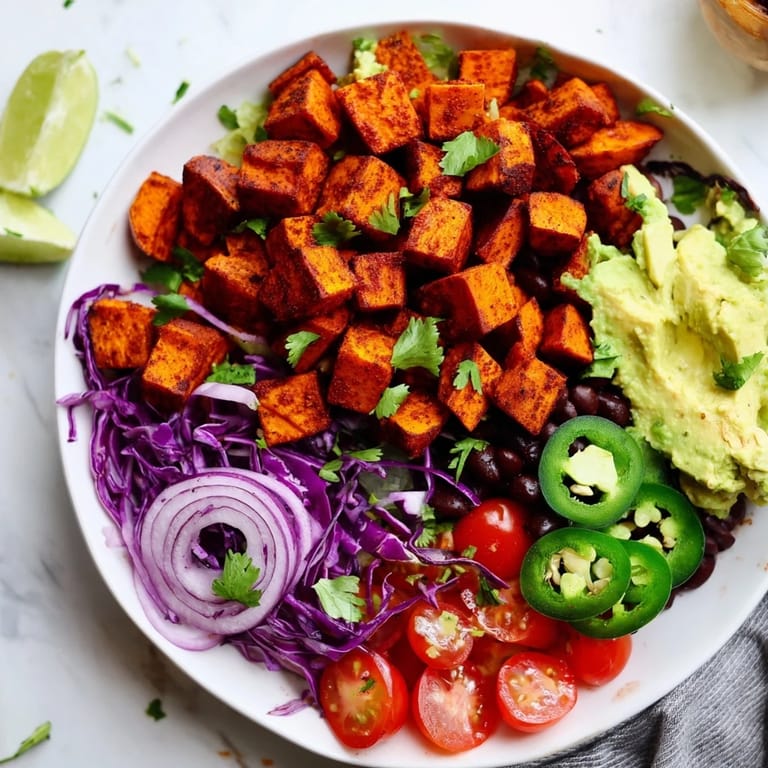
- Sweet potatoes (2 large, cubed): These are your foundation, and the key is cutting them into pieces roughly the same size so they roast evenly. I learned the hard way that uneven chunks mean some stay soft while others burn at the edges, which honestly isn't the worst problem but defeats the whole point.
- Red bell pepper and red onion: The pepper adds sweetness while the onion brings a subtle sharpness that balances everything. Don't add them at the start of roasting or they'll shrivel; wait until the potatoes are nearly done.
- Cherry tomatoes: Fresh, juicy, and they burst slightly as they warm, creating little pockets of acidity that matter more than you'd think.
- Avocado (1, diced): Add this right before serving, never earlier, or it'll brown and lose that buttery texture that makes everything better.
- Red cabbage (1 cup shredded): This adds crunch and a subtle peppery note; it's the quiet hero that keeps the bowl from feeling mushy.
- Black beans (1 can, drained and rinsed): Warming them gently lets them absorb the lime dressing's brightness instead of staying separate and bland.
- Brown rice or quinoa (2 cups cooked): Use whatever grain you have on hand, though quinoa holds up slightly better against the dressing's acidity.
- Olive oil (2 tbsp for potatoes, 2 tbsp for dressing): Don't skip the quality here; better oil makes a real difference in how the vegetables taste.
- Ground cumin, smoked paprika, chili powder, and garlic powder: These spices together create a flavor profile that feels warm and familiar without being heavy-handed.
- Fresh lime juice and cilantro (for dressing): Fresh lime changes everything; bottled lime juice leaves a flat aftertaste that you'll notice immediately.
- Maple syrup (1 tbsp): Just enough to balance the lime's sharpness with a whisper of sweetness.
Tired of Takeout? 🥡
Get 10 meals you can make faster than delivery arrives. Seriously.
One email. No spam. Unsubscribe anytime.
Instructions
- Get your oven ready and line a baking sheet:
- Set the oven to 425°F and line your sheet with parchment paper. This prevents sticking and makes cleanup almost enjoyable.
- Season and spread the sweet potatoes:
- Toss your cubed sweet potatoes with olive oil and all the spices in a large bowl, making sure every piece gets coated. Spread them in a single layer on the sheet; crowding them makes them steam instead of roast.
- Let the potatoes get golden:
- Roast for 20 minutes until the edges are just starting to caramelize. You'll smell the cumin and paprika at this point, and that's your signal they're on track.
- Add the peppers and onion:
- Toss the bell pepper and red onion with the remaining olive oil and add them to the sheet. They only need 10 more minutes to soften slightly while staying crisp.
- Build the dressing while vegetables roast:
- Whisk together fresh lime juice, olive oil, maple syrup, minced garlic, chopped cilantro, and a pinch of salt in a small bowl. Taste it; it should make your mouth water a little.
- Warm the beans gently:
- Heat the black beans in a small saucepan over low heat with just a splash of their canning liquid, stirring occasionally. They should be warm and ready to serve, not hot.
- Assemble with intention:
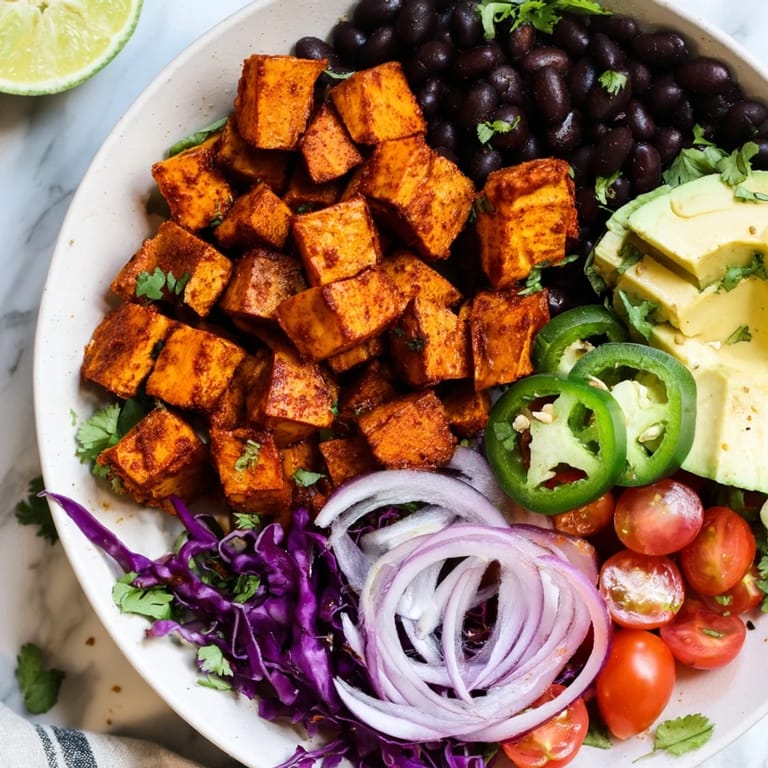
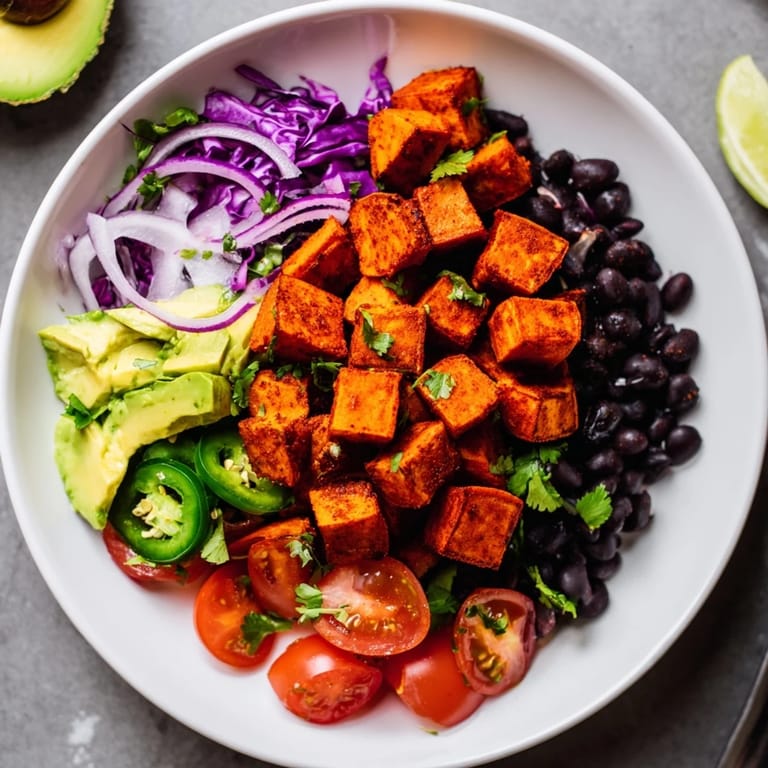
- Divide cooked grain among bowls, then layer roasted vegetables, warm beans, cherry tomatoes, shredded cabbage, and avocado on top. Each bowl is slightly different depending on what you grab, and that's the whole point.
- Dress and finish:
- Drizzle generously with lime dressing and scatter fresh cilantro leaves across the top. Serve with lime wedges so people can adjust the brightness to their taste.
 Save to Pinterest
 My favorite moment with these bowls happened on a rainy Sunday when I served them to friends who'd shown up unannounced. No one was expecting much beyond a casual lunch, but the conversation shifted—people were actually tasting their food instead of talking over it. Afterward, three of them asked for the recipe, and I realized I'd accidentally created something that made people feel cared for.
The Secret to Perfect Roasting
The difference between roasted vegetables that taste like an afterthought and ones that taste absolutely intentional comes down to temperature and patience. Most home ovens run slightly cool, so I start at 425°F and watch carefully around the 18-minute mark for when the sweet potatoes start showing real color. The goal isn't tenderness—they should still have slight resistance when you bite into them—it's that deep, concentrated sweetness that develops only when the exterior caramelizes. If your vegetables finish tender but pale, your oven temperature might be off, or you're opening the door too frequently and letting heat escape.
Making This Your Own
The beauty of bowl recipes is that they're almost impossible to mess up once you understand the balance. Your base is grain, your substance is beans and roasted vegetables, your brightness comes from the dressing, and your texture comes from things like raw cabbage and avocado. Swap in whatever vegetables you have—roasted broccoli, cauliflower, or zucchini work beautifully. Change the beans, the grain, or even the dressing's base. I've made versions with tahini instead of olive oil in the dressing, with feta crumbles for non-vegans, with pickled onions for extra tang.
Storage and Make-Ahead Tips
These bowls are forgiving about timing, which is why I make them so often on busy weeks. The roasted vegetables taste fine at room temperature, the grains can be chilled or room-temperature, and the beans are best warm but not essential. The only thing that doesn't travel well is the avocado and the dressing-soaked vegetables. For meal prep, I keep components separate and assemble just before eating, which takes maybe five minutes. One thing I've noticed is that the flavors actually deepen if you let the dressed bowl sit for ten minutes before eating, allowing everything to meld slightly.
- Keep roasted vegetables in an airtight container for up to three days and reheat gently if desired.
- The lime dressing keeps for four days refrigerated and actually tastes better on day two once the flavors meld.
- Assemble just before serving if you're feeding others, or eat immediately if you're eating alone and want maximum texture contrast.
 Save to Pinterest
 These bowls became my answer to the question I used to ask myself regularly: what do I actually want to eat? Now I make them because they're nourishing, they're beautiful, and they remind me that simple food made with attention tastes exponentially better than anything rushed or defaulted.
Recipe FAQs
- → How do I roast the sweet potatoes effectively?
Toss cubed sweet potatoes with olive oil and spices, then roast at 425°F for 20 minutes until tender and caramelized.
- → Can I substitute black beans with other legumes?
Yes, pinto or kidney beans work well as alternatives and maintain similar texture and flavor.
- → What grains pair best with this dish?
Brown rice or quinoa provide a hearty base, but cauliflower rice is a great grain-free option.
- → How is the lime dressing prepared?
Whisk together fresh lime juice, olive oil, maple syrup, minced garlic, chopped cilantro, and salt for a bright, tangy dressing.
- → Can I add toppings for extra texture?
Yes, toasted pepitas or tortilla strips add crunch, while vegan sour cream offers creamy richness.