 Save to Pinterest
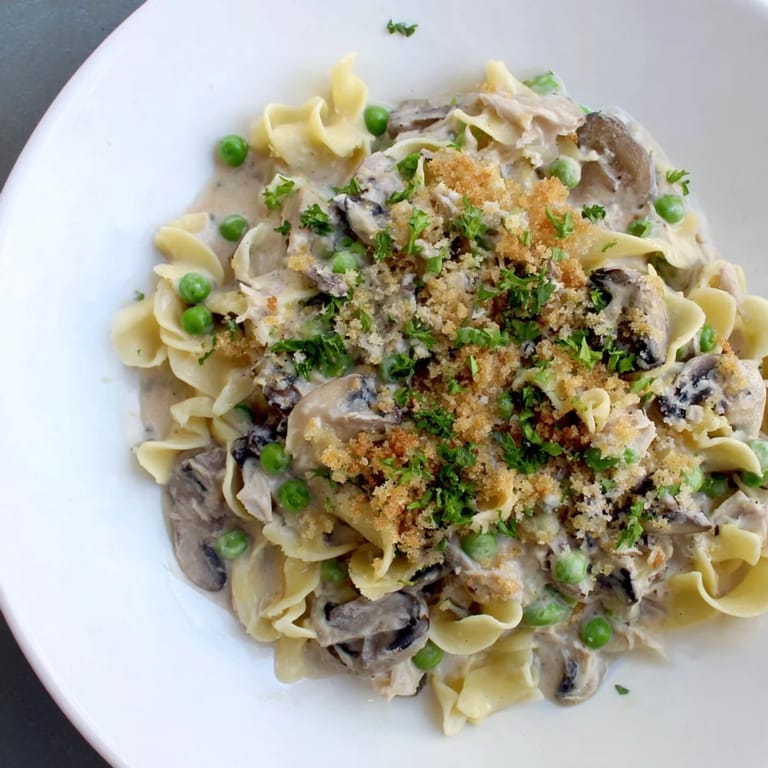
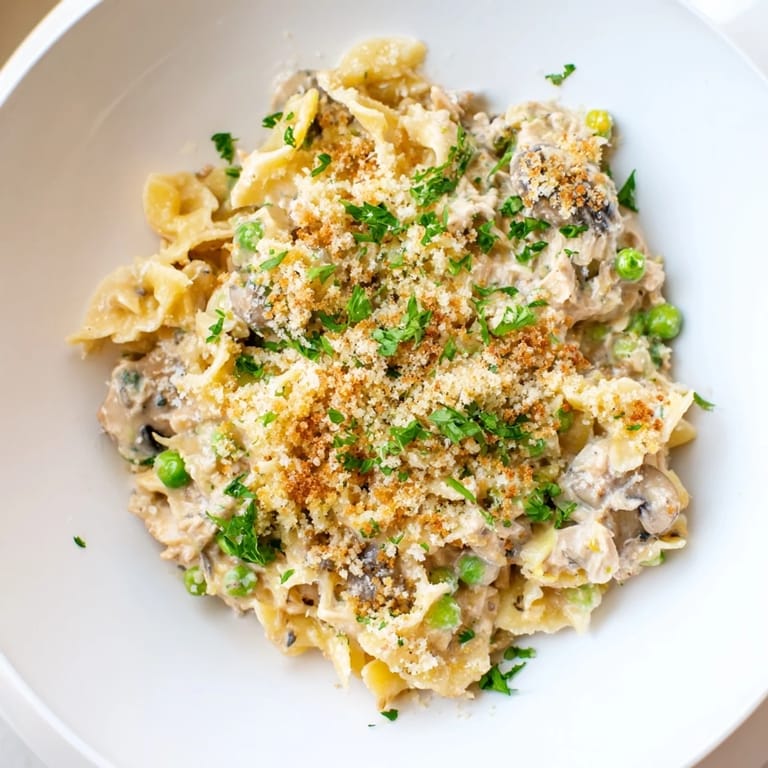
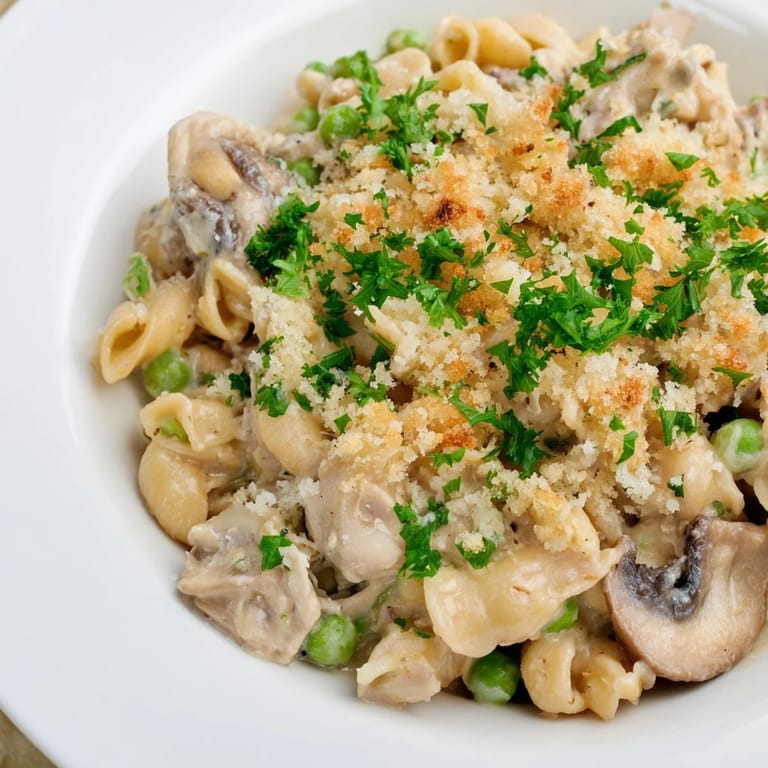
 My mom pulled this casserole out of the oven on a rainy Tuesday, and the kitchen filled with this warm, buttery aroma that made everything feel right again. I'd forgotten how comforting it could be—not the canned tuna version from the 1950s, but something that actually tastes like you care. The creamy sauce, the crispy panko topping catching light under the kitchen lamp, the way it bubbled at the edges. I started making my own version after that, tweaking it each time, and somehow it became the dish I reach for when life needs softening.
I made this for a dinner party once and watched my most skeptical friend—the one who claimed casseroles were relics—take a huge bite and go quiet. That silence meant everything. Now whenever someone questions comfort food, I just smile and know exactly what to cook.
Ingredients
- Egg noodles (12 oz): The foundation that soaks up every bit of sauce; cook them just past al dente because they'll cook a little more in the oven.
- Solid white tuna in water (2 cans, 5 oz each): Drain it well or your casserole gets watery; solid white stays in larger flakes than chunk light.
- Frozen peas (1 cup): Thaw them first so they don't drop the temperature of your sauce when you fold everything together.
- Cremini or white mushrooms (1 cup, sliced): They release moisture as they cook, which actually deepens the sauce and adds umami.
- Yellow onion (1 small, finely chopped) and celery (1 cup, diced): These two sauté together beautifully and form the quiet backbone of flavor.
- Garlic (2 cloves, minced): Just a whisper of it; too much overpowers the delicate tuna.
- Unsalted butter (3 tbsp for sauce, 2 tbsp melted for topping): Unsalted lets you control the salt level, and it browns more predictably.
- All-purpose flour (3 tbsp): This makes the roux that thickens everything; stir it in quickly so it doesn't clump.
- Low-sodium chicken or vegetable broth (2 cups) and whole milk (1 cup): The broth carries flavor while the milk creates that silky richness.
- Sour cream (1/2 cup): Stirred in at the end so it doesn't break; it adds tang and prevents the sauce from feeling too heavy.
- Dijon mustard (1/2 tsp): A tiny amount that you won't taste directly but will make everything taste brighter.
- Kosher salt and freshly ground black pepper (1/2 tsp each): Season in stages; you can always add more.
- Panko breadcrumbs (3/4 cup) and grated parmesan cheese (1/2 cup): Together they toast to golden and stay crispy, not soggy.
- Fresh parsley (2 tbsp, chopped, optional): A final scatter that adds color and freshness to cut the richness.
Tired of Takeout? 🥡
Get 10 meals you can make faster than delivery arrives. Seriously.
One email. No spam. Unsubscribe anytime.
Instructions
- Set the stage:
- Preheat your oven to 400°F and grease a 9x13-inch baking dish. Cook your egg noodles in heavily salted water until they're just shy of done—they should have a tiny bit of resistance to the bite because they'll soften more in the oven.
- Build the flavor foundation:
- Melt 3 tbsp butter in a large skillet over medium heat and sauté the onion and celery for about 3 minutes until they start turning soft at the edges. Add the mushroom slices and let them cook for 4 minutes more, releasing their moisture and deepening in color.
- Wake it up with garlic:
- Stir in the minced garlic and cook for just 1 minute until the whole skillet smells incredible. This is when you know you're on the right track.
- Create the silky sauce:
- Sprinkle the flour over the vegetables and stir constantly for about a minute to cook out the raw flour taste. Gradually pour in your broth while whisking to keep lumps from forming, then add the milk and bring everything to a gentle simmer.
- Thicken and season:
- Keep stirring as the sauce thickens, about 3 to 4 minutes, until it coats the back of a spoon. Take the skillet off the heat and fold in the sour cream, Dijon mustard, salt, and pepper.
- Bring it all together:
- Gently fold in the drained tuna, thawed peas, and cooked noodles until everything is evenly mixed. Pour the whole thing into your prepared baking dish.
- Crown it:
- Mix the panko, parmesan, and melted butter in a small bowl until the breadcrumbs are completely coated. Scatter this mixture evenly over the top of the casserole.
- Bake until golden:
- Slide it into the oven for 20 to 25 minutes, until the topping is deep golden brown and the casserole is bubbling at the edges. Let it rest for 5 minutes before serving so it sets slightly, then scatter fresh parsley on top if you're using it.
 Save to Pinterest
 There's something magical about watching someone's face change when they taste this—the moment they realize casserole doesn't have to be an apology for cooking. It becomes the dish that gets requested, the one people ask you to bring, the comfort that proves you were thinking of them.
The Science of the Sauce
The roux—that butter and flour mixture—isn't just a thickener; it's an emulsion that binds the broth and milk together into something silky instead of thin and watery. When you gradually whisk in the broth, you're preventing the flour from clumping and creating tiny pockets of gelatinized starch that coat your mouth with richness. The sour cream, added after you take the pan off the heat, adds tang and a slight acidity that cuts through the richness and prevents the sauce from tasting cloying.
Make It Your Own
This casserole is genuinely flexible, and that's part of why it works. Some nights I add a handful of shredded gruyère or sharp cheddar to the sauce for more depth, or swap the sour cream for Greek yogurt if I want something lighter. A splash of sherry in the sauce transforms it into something almost elegant, and fresh dill scattered on top changes the entire mood. You could trade the cremini mushrooms for any variety you have on hand, or add a cup of corn or green beans if that's what's in your freezer.
Why This Works Better Than You Remember
The original version of this dish got a bad reputation because it often relied on condensed soup and canned vegetables cooked into oblivion. This version respects the ingredients by cooking them properly—vegetables until they're soft but still recognizable, the sauce until it's genuinely creamy, the tuna barely folded in so it stays in flakes. The panko topping, tossed with melted butter and cheese, toasts to something actually crispy instead of soggy. It's not a revolutionary idea, just a thoughtful one.
- Cook your sauce until it actually thickens, not just until it simmers.
- Don't stir the tuna too much when folding it in, or you'll break it into tiny pieces.
- Let the casserole rest for 5 minutes after it comes out of the oven so it sets and holds together when you scoop it.
 Save to Pinterest
 This is the kind of food that reminds us why home cooking matters—it's not about impressing anyone, it's about showing up with something warm and genuine. Every time you make it, it becomes a little more yours.
Recipe FAQs
- → Can I use fresh tuna instead of canned?
Fresh tuna can be used if cooked and flaked properly, but canned tuna offers convenience and consistent flavor for this dish.
- → What pasta works best for this dish?
Egg noodles hold the creamy sauce well and provide a perfect texture, but other medium-width pasta shapes can substitute.
- → How do I achieve a crispy topping?
Mixing panko breadcrumbs with parmesan and melted butter creates a crunchy, golden crust when baked at 400°F.
- → Can I make this ahead of time?
Assemble the dish and refrigerate before baking; add a few extra minutes to baking time if starting chilled.
- → Are there good vegetable substitutions?
Sliced zucchini or diced bell peppers can replace or complement mushrooms and peas for varied flavors.