 Save to Pinterest
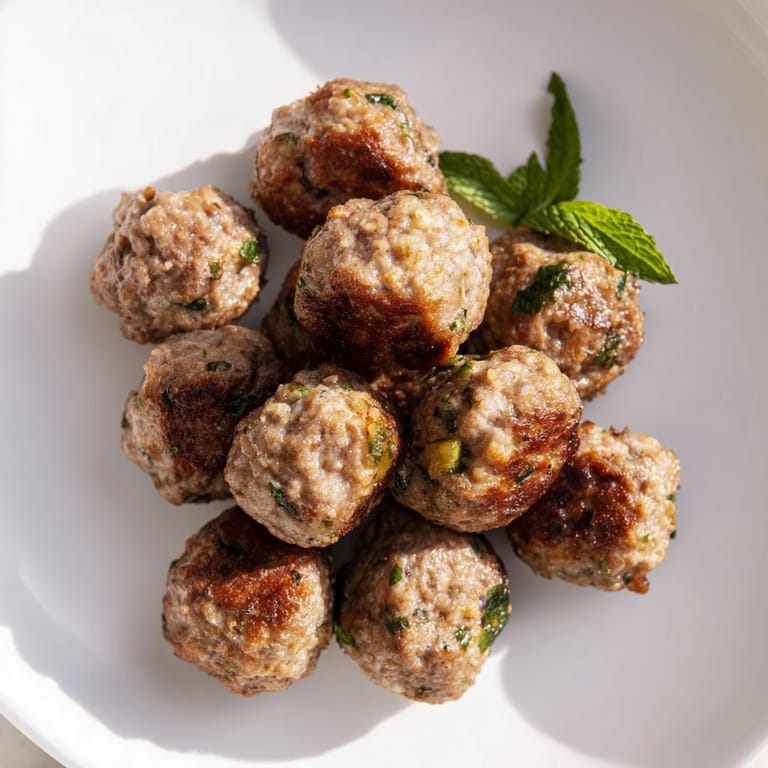
 My first Turkish köfte was handed to me by a neighbor on a hot summer evening, and I bit into it without hesitation. The bulgur gave it this unexpected lightness, while the herbs—especially that whisper of mint—made it taste like someone had bottled sunshine and spice together. I couldn't stop eating them, and when I asked for the recipe, she laughed and said the secret was in how you worked the meat with your hands, not a spoon. That night, I decided I had to learn to make these myself, and now they're the first thing I reach for when I want something that feels both comforting and alive.
I remember making a huge batch of these for a casual dinner party, thinking I'd made way too much, and watching them disappear faster than I could plate them. Someone asked for seconds before finishing their first, and another guest wrapped one in flatbread and started walking around the kitchen eating them like they'd just discovered something essential. That's when I realized these meatballs had a kind of magic to them—they made people happy without any fuss.
Ingredients
- Ground beef or lamb (500 g): A mix of both gives you richness and a lighter bite at the same time; if you use only lamb, don't be shy with the herbs to balance the stronger flavor.
- Fine bulgur (100 g): This is what separates a köfte from a regular meatball—it absorbs the flavors and keeps everything tender, so don't skip it or substitute it carelessly.
- Onion and garlic: Grate the onion so it releases its juice and disappears into the mixture; mince the garlic fine enough that you won't bite down on chunks.
- Fresh parsley and mint: Fresh herbs are not optional here—they're what make your meatballs taste like Istanbul, not your grandmother's generic meatloaf.
- Cumin and paprika (1 tsp each): These warm spices are the backbone; taste your raw mixture before cooking and add a pinch more if you like boldness.
- Black pepper and chili flakes: Adjust the heat to your taste—I use the chili flakes sparingly because the flavor should be about the herbs first, heat second.
- Olive oil (2–3 tbsp): Use good oil that you actually like tasting, because you'll taste it; if you're grilling, a light spray is enough.
Tired of Takeout? 🥡
Get 10 meals you can make faster than delivery arrives. Seriously.
One email. No spam. Unsubscribe anytime.
Instructions
- Soak and soften the bulgur:
- Pour warm water over the bulgur and let it sit for exactly 10 minutes—this is not a guessing game, and it matters. You want it soft enough to break apart but not mushy, ready to drink up all the flavors coming next.
- Build your mixture:
- Add everything to the bulgur—meat, aromatics, herbs, and spices. This is where you stop overthinking and start using your hands, because a fork or spoon will never give you the even distribution you need.
- Mix with intention:
- Use clean, slightly damp hands and work the mixture until it feels slightly sticky and holds together. You're not making a paste; you're creating a cohesive thing that remembers it's both bulgur and meat.
- Shape with damp hands:
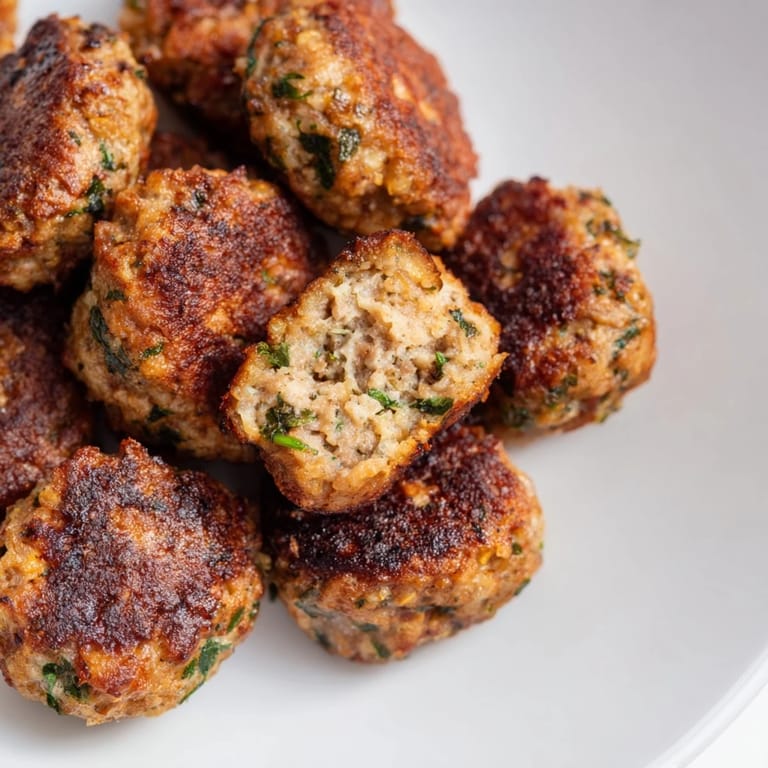
- Keep a bowl of water nearby and dip your hands between shaping each meatball—this prevents sticking and gives you a smooth, professional finish. They should be about walnut-sized, uniform so they cook evenly.
- Pan-fry for golden crust:
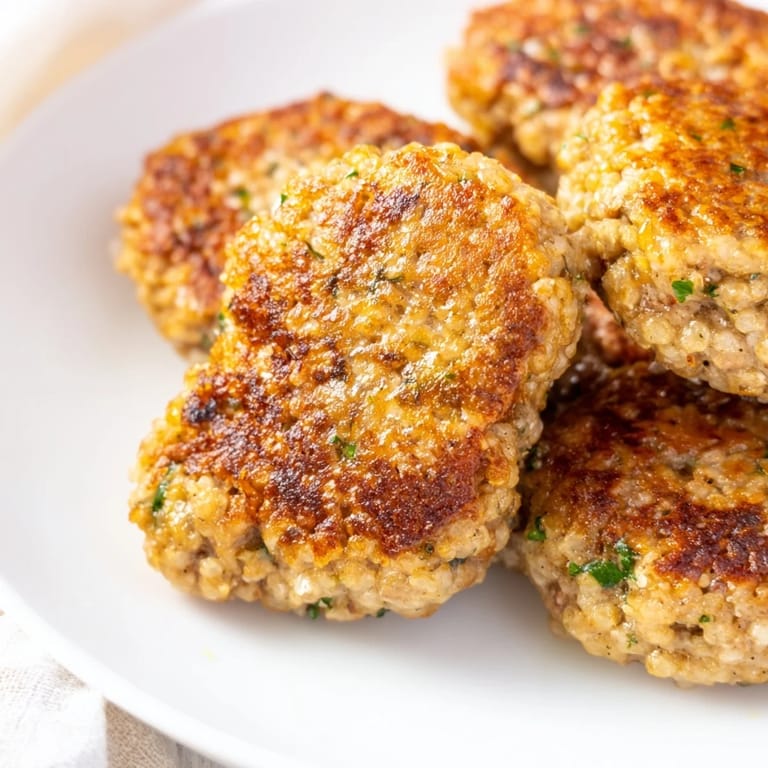
- Heat oil over medium heat until it shimmers, then add meatballs in a single layer without crowding. Let them sit untouched for 3–4 minutes before turning, so that golden crust can actually form instead of steaming.
- Or grill for char:
- A grill gives you beautiful color and a smokier flavor; oil the grates well and cook 3–4 minutes per side, rotating gently so they don't fall apart. The char is not burnt—it's flavor.
 Save to Pinterest
 There was an afternoon when I was stressed about something completely unrelated, and making these meatballs by hand—feeling the mixture become cohesive, shaping each one with intention—somehow unwound me. My hands knew what to do, even when my mind didn't, and by the time they were golden in the pan, I felt lighter. That's the thing about food made with your hands: it gives you back something you didn't know you needed.
Serving Ideas
These meatballs are endlessly flexible—serve them hot over rice with a cooling yogurt sauce, tucked into warm flatbread with tomato and cucumber, or piled on a plate with grilled vegetables and fresh herbs. I've also seen them served cold at room temperature as part of a mezze spread, and honestly, they're delicious that way too. The point is they don't demand a specific plate; they belong wherever you want them.
The Flavor Story
What makes Turkish köfte different from other meatballs is the respect for herbs and spice balance—nothing overpowers, but together they create something aromatic and complex. The bulgur isn't a filler; it's a partner that adds texture and absorbs all those flavors so every bite is consistent. This is cooking that tastes like it comes from a place with history and intention.
Make-Ahead and Storage
You can shape these meatballs ahead of time and refrigerate them for up to a day, which means dinner is literally just a hot pan away. For the freezer, arrange raw meatballs on a tray, freeze until solid, then transfer to a bag where they'll keep for up to three months—cook them straight from frozen, adding just a minute or two extra to the cooking time. Cooked leftovers keep for three days in the fridge and warm up beautifully in a low oven or quick pan.
- Shape meatballs the night before if you want a stress-free dinner tomorrow.
- Freeze raw for up to three months, and cook from frozen whenever hunger strikes.
- Reheat gently so they stay tender and don't toughen up.
 Save to Pinterest
 Once you make these, you'll understand why they're such a staple in Turkish kitchens—they're humble, they're quick, and they taste like someone cares. Make them for people you want to feed well.
Recipe FAQs
- → What type of meat works best for Turkish köfte?
Ground beef, lamb, or a mix of both work well, providing rich flavor and juicy texture.
- → How does bulgur affect the köfte texture?
Bulgur softens when soaked, helping to bind the meatballs and adding a subtle nutty texture.
- → Can köfte be cooked without frying?
Yes, grilling is a great alternative that adds a smoky char and keeps meatballs juicy.
- → What herbs enhance the flavor of Turkish köfte?
Fresh parsley and mint bring brightness, while spices like cumin and paprika add warmth.
- → How to keep köfte tender after cooking?
Don’t overcook; frying or grilling 3–4 minutes per side ensures a crisp outside and tender inside.