 Save to Pinterest
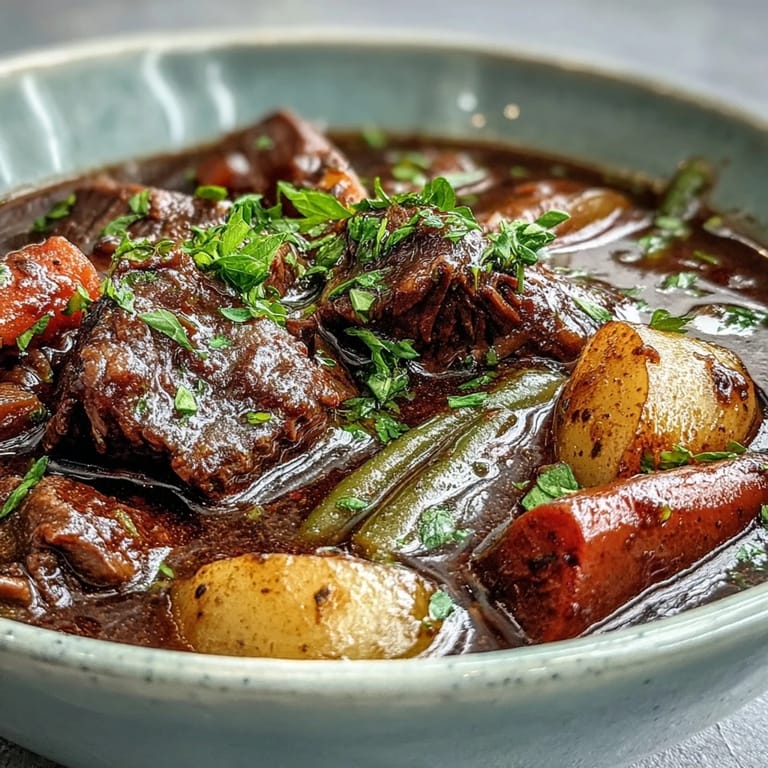
 My neighbor knocked on my door one January evening with a Tupperware container of beef and vegetable soup, steam still fogging up the lid. She'd made a massive pot that afternoon and insisted I needed comfort food stat—I'd been under the weather all week. One spoonful and I understood why she'd gone to the trouble: tender beef chunks, sweet carrots, the kind of broth that tastes like it's been simmering since morning. That night I scribbled down her recipe on the back of a grocery list and haven't stopped making it since.
I made this for my sister after she moved to a new apartment with barely any furniture and definitely no comfort yet. She'd been eating takeout all week, and something about homemade soup in her mostly empty kitchen felt like the right gesture. She ate three bowls straight, then asked if I could write down exactly how I made it because the grocery store rotisserie chicken just wasn't cutting it anymore. That's when I knew this recipe was worth keeping close.
Ingredients
- Beef chuck, cut into 1-inch cubes: This cut has the right amount of marbling and connective tissue to become meltingly tender over time, unlike leaner cuts that can dry out.
- Olive oil: Just enough to get that initial sear going—two tablespoons is the sweet spot.
- Onion, diced: The foundation of every good soup; make sure to dice it fairly small so it breaks down into the broth.
- Garlic, minced: Three cloves keeps it savory without overwhelming, though if you're a garlic person, add one more.
- Carrots, sliced: Their natural sweetness balances the richness of the beef beautifully.
- Celery stalks, sliced: This is the trio that makes magic happen—onion, carrot, and celery together are the backbone of flavor.
- Potatoes, peeled and diced: They thicken the broth naturally as they cook down, no flour or cornstarch needed.
- Parsnip, peeled and diced (optional): If you include it, you'll add an earthy, slightly sweet note that makes people ask what that special ingredient is.
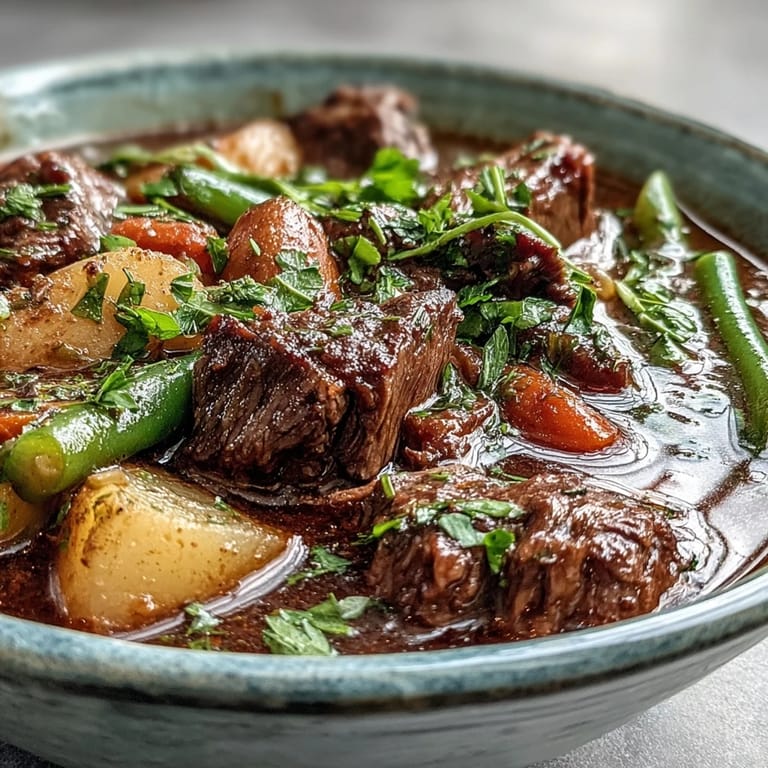
- Green beans, trimmed and cut into 1-inch pieces: Add these early enough so they soften but late enough that they don't turn to mush.
- Frozen peas: Keep these frozen until the last moment so they stay bright green and slightly firm.
- Diced tomatoes with juice: The acidity cuts through the richness and adds depth without needing extra salt.
- Beef broth: Use the best broth you can find—it really matters here since it's the liquid backbone of everything.
- Bay leaves, thyme, oregano: This herb combination is classic for a reason; don't skip the bay leaves even though you'll remove them later.
- Black pepper and salt: Start conservative and taste before adding more, since beef broth is already fairly salty.
- Fresh parsley for garnish: A handful of bright parsley at the end makes the whole bowl feel fresh and finished.
Tired of Takeout? 🥡
Get 10 meals you can make faster than delivery arrives. Seriously.
One email. No spam. Unsubscribe anytime.
Instructions
- Get the beef golden and beautiful:
- Heat your olive oil in a large pot over medium-high heat until it shimmers slightly, then add the beef cubes in a single layer. Let them sit undisturbed for a minute so they develop a proper brown crust instead of steaming. You'll hear a gentle sizzle, and that's your signal that things are working right.
- Build the flavor foundation:
- Once the beef is set aside, add your onion, carrots, and celery to the same pot without washing it—all those browned bits are liquid gold. After five minutes when everything starts to soften and release its aroma, add the garlic and let it bloom for just a minute more.
- Combine everything for the long simmer:
- Return the beef to the pot and add potatoes, parsnip if you're using it, green beans, tomatoes with their juice, all the broth, and your herbs and seasonings. Stir everything together so the bay leaves and herbs are distributed throughout.
- Let time do the work:
- Bring it to a boil, then immediately turn the heat down to low and cover the pot. You want a gentle simmer, not a rolling boil—set a timer for one hour and fifteen minutes, and stir occasionally so nothing sticks to the bottom.
- Finish strong with the peas:
- When the beef is fork-tender and the other vegetables are soft, add the peas and cook uncovered for another ten to fifteen minutes. The peas will go from frozen to perfectly cooked in that time, and the uncovered pot lets a little steam escape.
- Taste and adjust:
- Remove those bay leaves, then taste a spoonful and decide if it needs more salt or pepper. Sometimes the broth is salty enough and you're done; sometimes you need just a little more to make everything sing.
- Serve with ceremony:
- Ladle it into bowls and scatter fresh parsley on top—it's not just for looks, it adds a bright herbaceous note that brings the whole bowl together.
 Save to Pinterest
 My son, who usually turns his nose up at anything vegetable-forward, asked for seconds without me having to convince him. He spent ten minutes examining a spoonful of broth like he was investigating something precious, which made me realize that sometimes the best part of cooking isn't the recipe at all—it's watching someone discover that food can taste this good.
Why This Soup Becomes Even Better Tomorrow
There's genuine magic in how this soup tastes better on day two or three. The flavors continue to deepen and meld together, the beef gets even more tender, and the broth becomes richer and more velvety. I actually make mine on purpose and leave it in the fridge overnight before eating it because that transformation is real and worth experiencing.
Simple Variations That Keep Things Interesting
Once you've mastered the base recipe, you can pivot in different directions depending on what you have on hand or what you're craving. I've swapped regular potatoes for sweet potatoes and gotten compliments, tried adding barley for more texture, and even thrown in a splash of red wine for richness. The structure of this soup is forgiving enough to handle your creativity without falling apart.
Making It Your Own
The best part about this recipe is that it invites personalization without requiring it. Some people add Worcestershire sauce for umami depth, others finish with smoked paprika for subtle smokiness, and I've seen someone add a splash of apple cider vinegar to brighten everything up. The core recipe is solid enough to be your canvas, not your prison.
- A crusty bread on the side turns this from a side dish into a complete, satisfying meal.
- Make a double batch and freeze half in containers for nights when you need comfort food but have zero energy.
- Fresh herbs scattered on top at the end—parsley, dill, or chives—make even the second bowl feel brand new.
 Save to Pinterest
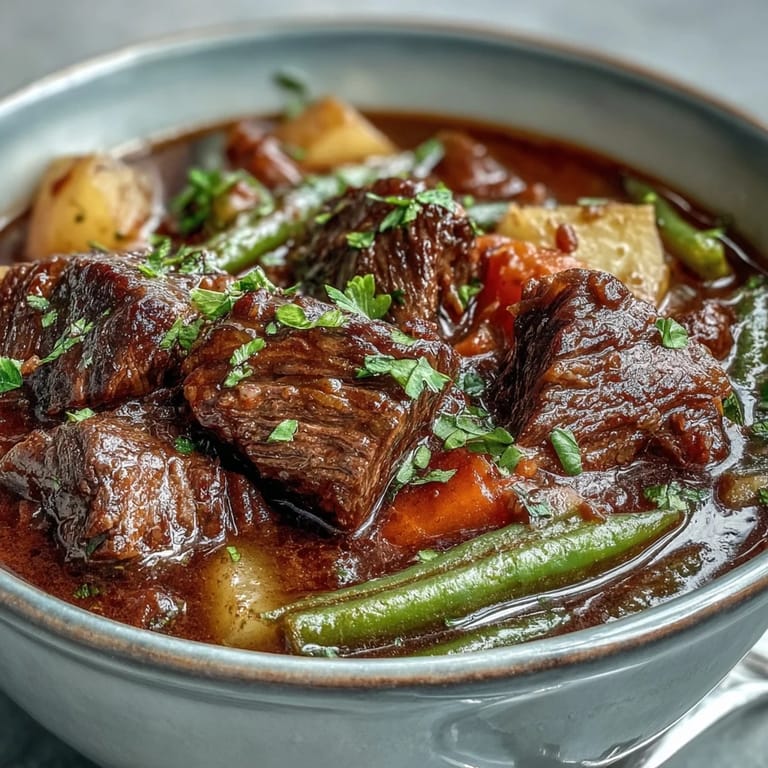
 This is the kind of soup that makes your kitchen smell like home, the kind that people remember. Serve it with warmth and watch how it brings people together.
Recipe FAQs
- → Can I make this soup in a slow cooker?
Yes, this works wonderfully in a slow cooker. Brown the beef first in a skillet, then transfer everything to the slow cooker. Cook on low for 7-8 hours or on high for 4-5 hours until the beef is tender. Add the frozen peas during the last 30 minutes of cooking time.
- → What cut of beef works best?
Beef chuck is ideal because it becomes tender and flavorful during long simmering. Other suitable cuts include stew meat, brisket, or round. Avoid lean cuts like sirloin, as they can become tough and dry when cooked for extended periods.
- → Can I freeze the leftovers?
Absolutely. This soup freezes beautifully for up to 3 months. Let it cool completely, then transfer to airtight containers or freezer bags, leaving some space for expansion. Thaw overnight in the refrigerator before reheating gently on the stovetop.
- → How do I thicken the broth if it's too thin?
You can mash a few potato pieces against the side of the pot to release starch into the broth. Alternatively, mix 2 tablespoons of flour or cornstarch with cold water until smooth, then stir into the simmering soup and cook for 5 minutes longer.
- → What vegetables can I substitute?
Feel free to swap vegetables based on what you have. Turnips, rutabaga, or sweet potatoes work well in place of regular potatoes. Try adding diced butternut squash, corn, or sliced zucchini during the last 20 minutes of cooking.
- → Can I use fresh herbs instead of dried?
Yes, use three times the amount of fresh herbs compared to dried. Add fresh thyme and oregano during the last 30 minutes of cooking to preserve their delicate flavor. The parsley should always be added fresh as a garnish just before serving.