 Save to Pinterest
 The first time I understood what Maqluba meant was when my neighbor flipped the pot at her kitchen counter with absolute confidence, and out tumbled this golden mountain of rice studded with tender meat and caramelized vegetables. I'd watched her layer everything so carefully, almost reverently, and then she casually inverted the whole thing like it was the simplest magic trick in the world. That moment—the drama of it, the smell of spiced meat and roasted eggplant hitting the air all at once—made me realize this wasn't just dinner. It was a celebration happening on a single plate.
I made this for my family on a cold evening when everyone felt scattered, and something about gathering around that platter made the whole day feel different. Nobody was thinking about their phones or their worries—just forks clinking against plates and people asking for seconds. That's when I realized Maqluba isn't really about technique or perfection. It's about taking time to layer something with care and then inviting people to share it.
Ingredients
- Bone-in lamb shanks or chicken pieces (900 g): The bones add incredible depth to the broth as everything simmers together, and the meat becomes so tender it practically falls apart.
- Ground spices (black pepper, allspice, cinnamon): This trio is what makes Maqluba smell like home—they work together to warm the meat without overpowering it.
- Long-grain basmati rice (2 cups): Rinsing it until the water runs clear is the small step that keeps each grain separate and fluffy instead of gummy.
- Eggplant and potatoes: Roasting them first gives you those golden, crispy edges that add texture and richness to every bite.
- Tomatoes and onions: They create a savory base layer and soften into the rice as everything cooks together.
- Slivered almonds or pine nuts: Toasted until fragrant, they add that final touch of elegance and crunch.
- Chicken or beef broth (3–4 cups): The quality of your broth matters here—it flavors everything, so use something you'd actually want to drink on its own.
Tired of Takeout? 🥡
Get 10 meals you can make faster than delivery arrives. Seriously.
One email. No spam. Unsubscribe anytime.
Instructions
- Prepare the rice the right way:
- Rinse it under cold water until the water runs clear, then soak it for 30 minutes and drain completely. This step feels tedious but it's the difference between fluffy rice and sticky rice.
- Season and sear the meat:
- Coat your lamb or chicken with the spice blend, then sear it in hot oil until all sides are deeply browned. Let it rest while you build the rest of the flavors.
- Build the broth:
- Sauté the onions until they soften, return the meat to the pot, cover it with broth, and let it simmer gently for 30 to 40 minutes. You're not cooking it all the way through yet—just getting it tender and infusing the broth with flavor.
- Roast the vegetables:
- While the meat simmers, brush your eggplant and potato slices with oil and roast them at 200°C until they're golden at the edges and tender inside. This step makes them taste almost buttery.
- Layer with intention:
- Start with tomato slices at the bottom of your pot, then layer potatoes, eggplant, meat, and onions, finishing with the drained rice pressed gently on top. Take a breath here—you're building something that will flip beautifully.
- Season the broth:
- Stir turmeric, cumin, and salt into your reserved broth, then pour it over the rice until just covered. The broth should reach the rice layer without drowning it.
- Keep the layers intact:
- Place a smaller plate or heatproof lid on top of the rice, then cover the pot tightly with its lid. This keeps everything from shifting as it cooks.
- Cook low and slow:
- Bring everything to a gentle simmer, then reduce to low heat and let it cook undisturbed for 35 to 40 minutes. The kitchen will smell incredible, but don't peek—just let it do its work.
- Rest it:
- Once the rice is tender and the liquid is absorbed, remove the pot from heat and let it sit covered for 15 minutes. This final rest helps everything set so the flip works perfectly.
- The flip:
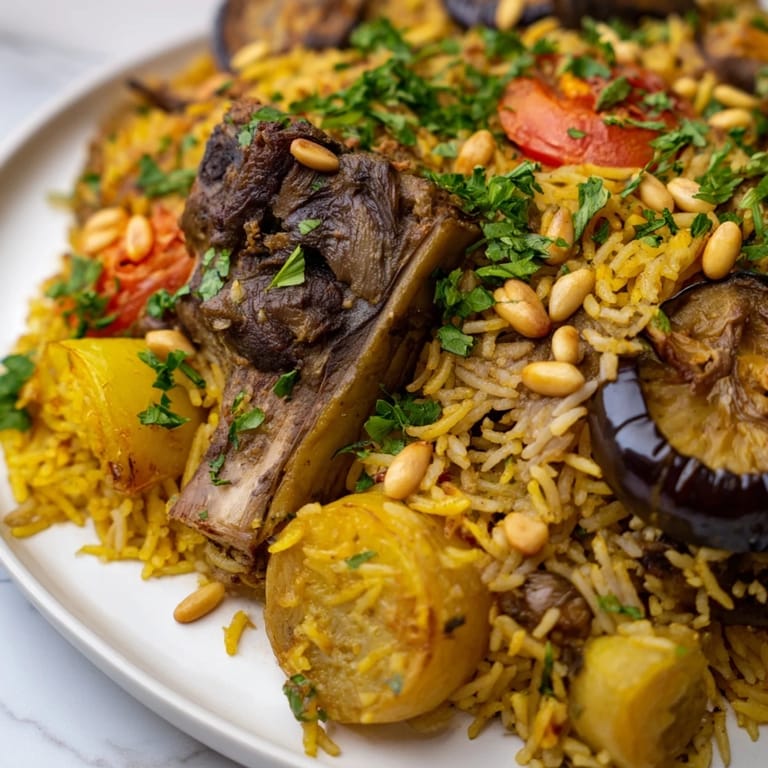
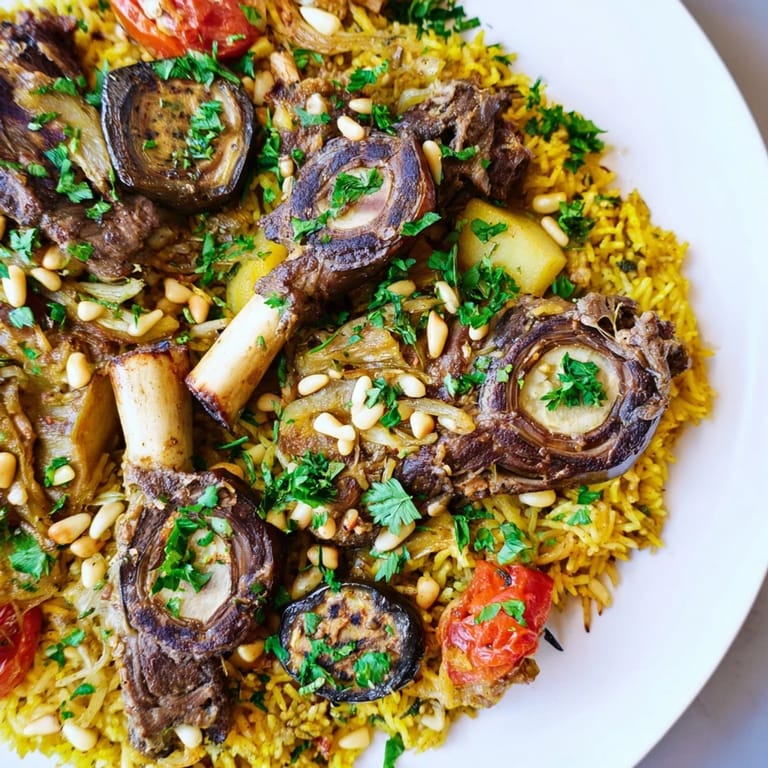
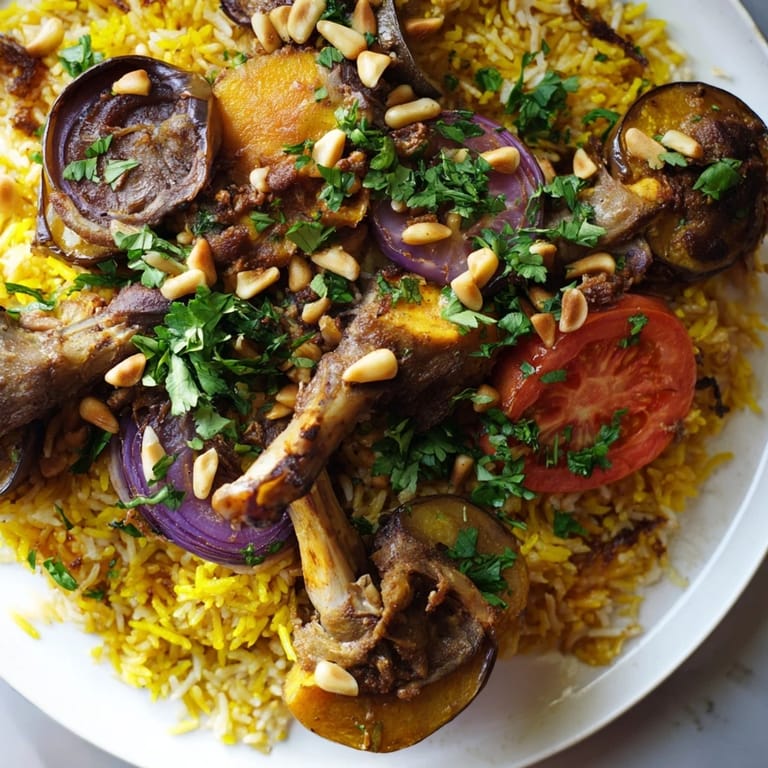
- Place a large serving platter over the pot, take a breath, and flip it confidently in one smooth motion. Lift the pot away slowly and let your Maqluba reveal itself—the golden rice and caramelized vegetables should cascade onto the plate like a crown.
- Finish and serve:
- Scatter toasted nuts and fresh parsley over the top, then bring it to the table while it's still steaming. Serve with yogurt or a fresh salad on the side.
 Save to Pinterest
 I once made this dish and forgot to put the smaller plate on top of the rice layer, and I watched helplessly as everything shifted and mixed together. My friend took one look at the result and said it still tasted perfect, just less pretty—and she was right. It taught me that Maqluba is forgiving in spirit even when it demands precision in execution.
Why the Flip Matters
That inversion at the end isn't just for show, though it definitely is dramatic. When you flip the pot, all those caramelized edges that formed on the bottom—the crispy rice, the browned vegetables—suddenly become the golden crown you see on top. It's like the cooking process hides all its best work until that final moment, and then everything is revealed at once.
Variations and Flexibility
This dish welcomes substitutions once you understand the logic of its layers. If eggplant isn't your thing, roasted cauliflower florets work beautifully and add a different kind of earthiness. Boneless chicken thighs cook faster than lamb shanks and still develop incredible flavor from the spices and broth. Some families add chickpeas between the vegetable layers for extra protein and texture, and I've never seen that turn out badly.
The Art of the Perfect Pairing
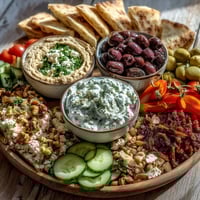
Maqluba wants something cool and bright alongside it to balance all that warmth and richness. A cucumber-yogurt salad works because the tanginess cuts through the spiced meat and rice, refreshing your palate between bites. Some people serve it with a simple tomato and herb salad, others with just plain yogurt for dipping. The key is giving your guests something to cool their mouth so they can taste all the layers you've built.
- Make the yogurt salad right before serving so it stays crisp and cold.
- If you're serving this to people unfamiliar with the dish, a quick explanation of what to expect makes that flip moment even more special.
- Leftovers reheat beautifully in a covered pot over gentle heat, though honestly they rarely last long enough to worry about.
 Save to Pinterest
 This is the kind of dish that grows more meaningful each time you make it, because you learn something new about timing or flavor or technique with every attempt. The flip is thrilling, but the real magic is in watching people discover how each layer tastes different and perfect on its own.
Recipe FAQs
- → How do I prevent the rice from sticking to the pot?
Use a heavy-bottomed pot and ensure the broth fully covers the rice layer. Adding a heatproof plate on top of the rice during cooking keeps the layers compact and distributes heat evenly.
- → Can I substitute vegetables in the layered dish?
Yes, cauliflower florets can replace eggplant for a different flavor and texture. Potatoes and tomatoes add natural sweetness and balance.
- → What meat works best for this layered dish?
Bone-in lamb shanks provide rich flavor, but chicken pieces or boneless thighs can be used for quicker preparation with excellent results.
- → How long should the dish rest after cooking?
Let the pot rest covered off heat for about 15 minutes to allow steam to finish cooking the rice and help layers set before flipping.
- → What garnishes enhance the final presentation and taste?
Toasted slivered almonds or pine nuts add crunch and nuttiness, while fresh chopped parsley provides brightness and color contrast.