 Save to Pinterest
 My neighbor showed up at my door one January evening with a parcel of venison wrapped in butcher paper and a dusty bottle of homemade sloe gin. She'd had both sitting in her freezer and pantry for months, unsure what to do with them. I promised her a bowl of something warm in exchange, and that night I learned how beautifully game and hedgerow fruit belong together. The kitchen smelled like a forest warming itself by a fire. That stew became my cold-weather ritual, and I've never looked back.
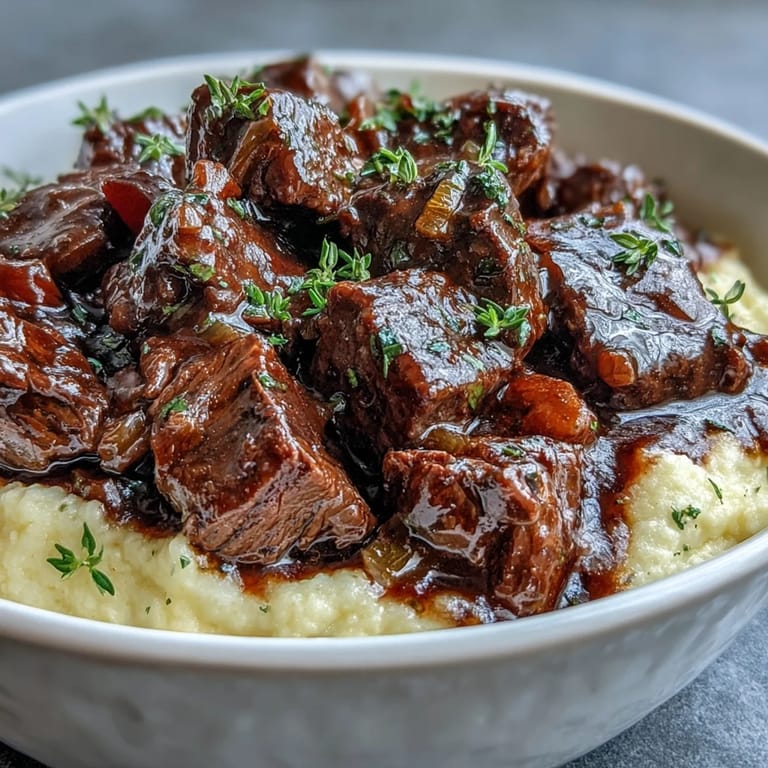
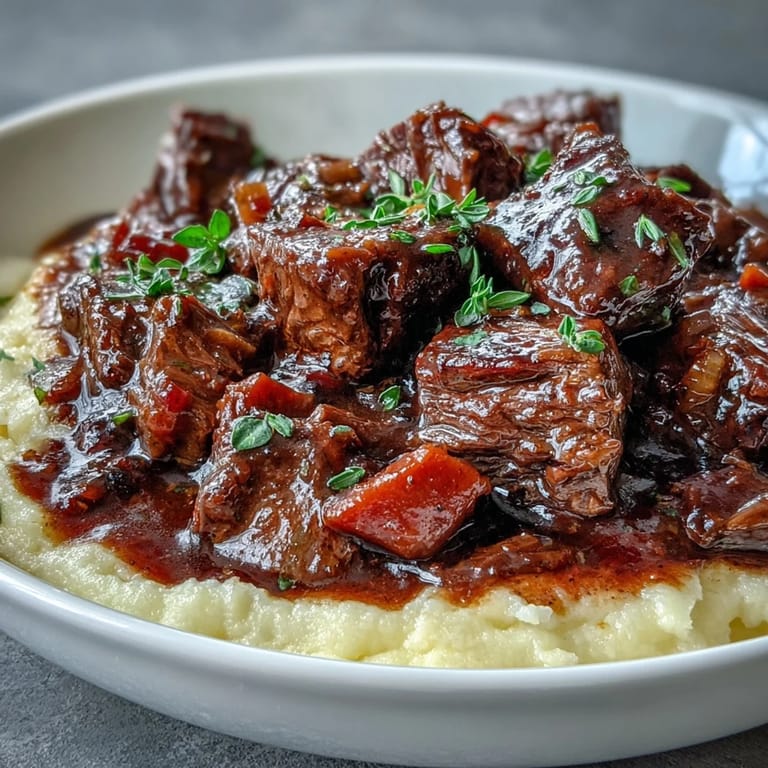
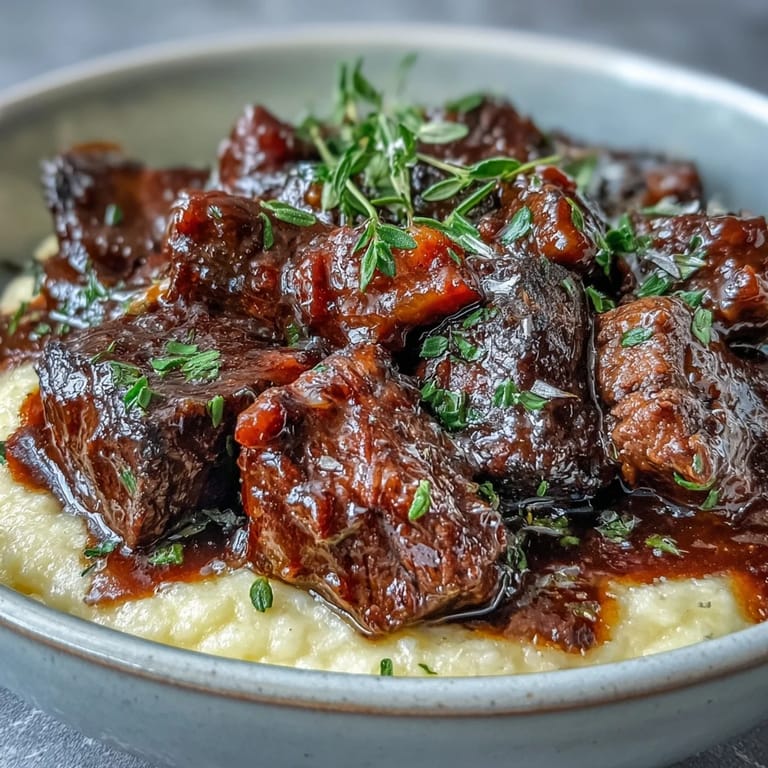
I made this for a small dinner party on a snowy February night, and everyone went quiet after the first bite. One friend, usually full of commentary, just nodded and reached for seconds without a word. The polenta was golden and buttery, the venison falling apart under the spoon. We finished two bottles of wine and the entire pot, scraping the sides clean with crusty bread we weren't supposed to need.
Ingredients
- Venison shoulder or stewing venison: This cut becomes incredibly tender with slow cooking, and its deep flavor stands up beautifully to bold ingredients like gin and juniper.
- Olive oil: Use a good one for browning, it helps build the foundational flavor in the pot.
- Onion, carrots, and celery: The holy trinity of aromatic vegetables, they sweeten and soften into the base of the stew.
- Garlic cloves: Minced fine, they melt into the sauce and add warmth without sharpness.
- Tomato paste: A spoonful deepens the color and adds umami richness to the braising liquid.
- Sloe gin: This is the magic ingredient, tart and fruity with a hint of almond from the stones.
- Beef or game stock: Choose a rich, gelatinous stock if you can, it makes the sauce silky and full-bodied.
- Redcurrant jelly: A classic British trick for game, it balances the savory with a gentle sweetness.
- Bay leaves and thyme: These herbs add earthy, woodsy notes that complement the venison perfectly.
- Juniper berries: Lightly crushed, they echo the gin and bring a piney brightness to the dish.
- Polenta: Quick-cooking or traditional both work, just stir constantly to avoid lumps.
- Whole milk and water: The combination makes the polenta creamy without being too heavy.
- Butter and Parmesan: Stirred in at the end, they transform the polenta into something luxurious and smooth.
Tired of Takeout? 🥡
Get 10 meals you can make faster than delivery arrives. Seriously.
One email. No spam. Unsubscribe anytime.
Instructions
- Brown the venison:
- Heat the olive oil in a large, heavy-based casserole over medium-high heat and brown the venison cubes in batches, letting them develop a deep crust. Set them aside on a plate while you build the rest of the stew.
- Soften the vegetables:
- Add the onion, carrots, and celery to the same pan and cook for 5 to 7 minutes until they begin to soften and sweeten. Stir in the garlic and tomato paste, cooking for another minute until fragrant.
- Deglaze with sloe gin:
- Return the venison to the pan and pour in the sloe gin, letting it bubble and reduce slightly for about 2 minutes. The smell alone will make you understand why this step matters.
- Add stock and aromatics:
- Pour in the stock, then stir in the redcurrant jelly, bay leaves, thyme, and juniper berries. Season generously with salt and pepper, then bring everything to a gentle simmer.
- Braise low and slow:
- Cover the pot and cook on low heat for 2 hours, stirring occasionally, until the venison is tender enough to cut with a spoon. The sauce will thicken and turn glossy as it reduces.
- Prepare the polenta:
- While the stew simmers, heat the milk and water in a saucepan until just simmering. Gradually whisk in the polenta, stirring constantly over low heat for 5 to 10 minutes until thick and creamy.
- Finish the polenta:
- Stir in the butter and Parmesan, then season with salt to taste. It should be smooth, rich, and just pourable.
- Serve:
- Remove the bay leaves and thyme sprigs from the stew, then ladle it generously over the polenta. Garnish with fresh parsley or thyme if you like.
 Save to Pinterest
 This dish stopped being just dinner the night my father-in-law, a lifelong skeptic of anything fancier than shepherd's pie, asked for the recipe. He wrote it down on the back of an envelope in his cramped handwriting and made it the following week for his friends. He called to tell me it worked, and that he'd never cooked with gin before but might start.
Choosing Your Venison
Shoulder or stewing cuts are your best bet here, they have enough connective tissue to break down into tenderness over the long braise. Avoid lean cuts like loin, they'll dry out and toughen instead of melting into the sauce. If you can, buy from a local butcher or game supplier who can tell you how the animal was handled. Venison that's been hung properly has a cleaner, less gamey flavor that works beautifully with the delicate fruit notes of the sloe gin.
Sloe Gin and Substitutions
Sloe gin is traditionally made by steeping sloe berries in gin with sugar, and it has a tart, slightly almondy flavor that's hard to replicate. If you can't find it, a good-quality port or blackberry liqueur will work, though the character of the dish will shift slightly. I once used a homemade damson gin a friend gave me, and it was just as good, maybe better. Don't use sweet supermarket gin liqueurs, they'll make the stew cloying instead of balanced.
Making the Polenta Silky
The secret to polenta that doesn't taste like gritty wallpaper paste is constant stirring and a good ratio of liquid to grain. I use a mix of milk and water because all milk can be too rich, and all water makes it bland. Whisk it in slowly to avoid lumps, then switch to a wooden spoon and keep stirring until your arm aches a little. The butter and Parmesan at the end are non-negotiable, they turn it from a side dish into something you'd eat on its own.
- If the polenta thickens too much, whisk in a splash of warm milk to loosen it.
- Leftover polenta can be poured into a dish, chilled, then sliced and grilled the next day.
- For extra richness, stir in a spoonful of mascarpone along with the Parmesan.
 Save to Pinterest
 This is the kind of meal that makes winter feel like a gift instead of an endurance test. Serve it to people you want to linger at the table with, and don't rush a single moment.
Recipe FAQs
- → Can I substitute the venison with another meat?
Yes, beef chuck or lamb shoulder work well as alternatives. Adjust cooking time as needed, though venison's lean nature means beef may need slightly less time to become tender.
- → What can I use instead of sloe gin?
Port, berry liqueur, or a combination of red wine with a tablespoon of blackberry jam makes an excellent substitute. The goal is to add fruity depth and slight sweetness to balance the rich meat.
- → Can I make this ahead of time?
Absolutely. The stew actually improves when made a day ahead, allowing flavors to meld. Reheat gently and prepare fresh polenta just before serving for the best texture.
- → How do I prevent the polenta from becoming lumpy?
Add the polenta in a slow, steady stream while whisking constantly. Keep the heat low and continue stirring throughout cooking. Using warm liquid also helps create a smooth, creamy consistency.
- → Can I cook this in a slow cooker?
Yes, brown the meat and vegetables first, then transfer to a slow cooker with remaining ingredients. Cook on low for 6-8 hours or high for 4-5 hours until the venison is fork-tender.
- → Where can I find juniper berries?
Juniper berries are available in the spice section of most supermarkets or specialty food stores. If unavailable, a small splash of gin can provide a similar aromatic note.