 Save to Pinterest
 My neighbor Maria knocked on my door one evening holding a wedge of Pecorino and a jar of peppercorns. She said her nonna made this with three ingredients and nothing else, and if I couldnt get it creamy, I wasnt stirring fast enough. I laughed, but she was completely serious. That night, standing over my stove tossing pasta like my life depended on it, I finally understood what she meant.
I made this for my brother after he got laid off, and we sat on the couch eating it straight from the pan. He didnt say much, but he went back for seconds, then thirds. Sometimes the best thing you can offer someone is something warm, salty, and made with your hands. We didnt need words that night, just pepper and cheese and the quiet click of forks against ceramic.
Ingredients
- Spaghetti: The long strands grab onto the creamy sauce better than any short pasta, and cooking it just to al dente means it finishes perfectly in the pan.
- Pecorino Romano cheese: This is the soul of the dish, sharp and salty with a slight funk that Parmesan just cant replicate, and freshly grated is non negotiable or it will clump.
- Freshly cracked black pepper: Toasting it wakes up the oils and turns it aromatic and almost floral, not just hot.
- Salt: For the pasta water only, because the cheese brings all the salt you need to the sauce.
Tired of Takeout? 🥡
Get 10 meals you can make faster than delivery arrives. Seriously.
One email. No spam. Unsubscribe anytime.
Instructions
- Boil the pasta:
- Bring a large pot of well salted water to a rolling boil and cook the spaghetti until it still has a slight bite, about a minute less than the package says. Before draining, scoop out a full cup of that starchy pasta water, it's your secret weapon for creaminess.
- Toast the pepper:
- While the pasta cooks, add the black pepper to a dry skillet over low heat and let it sizzle gently for a minute or two until it smells like pepper just cracked over a hot steak. Dont walk away or itll burn and turn bitter.
- Build the base:
- Pour about half a cup of the hot pasta water into the skillet with the toasted pepper and let it bubble quietly. This is where the sauce begins, just water and pepper becoming something more.
- Toss the pasta:
- Add the drained spaghetti directly into the skillet and toss it around with tongs so every strand gets coated in that peppery liquid. It should look glossy and smell incredible.
- Add the cheese:
- Take the skillet off the heat and start sprinkling in the grated Pecorino a handful at a time, tossing constantly and adding splashes of pasta water as you go. The key is movement and heat control, too hot and it clumps, too cool and it wont melt.
- Serve:
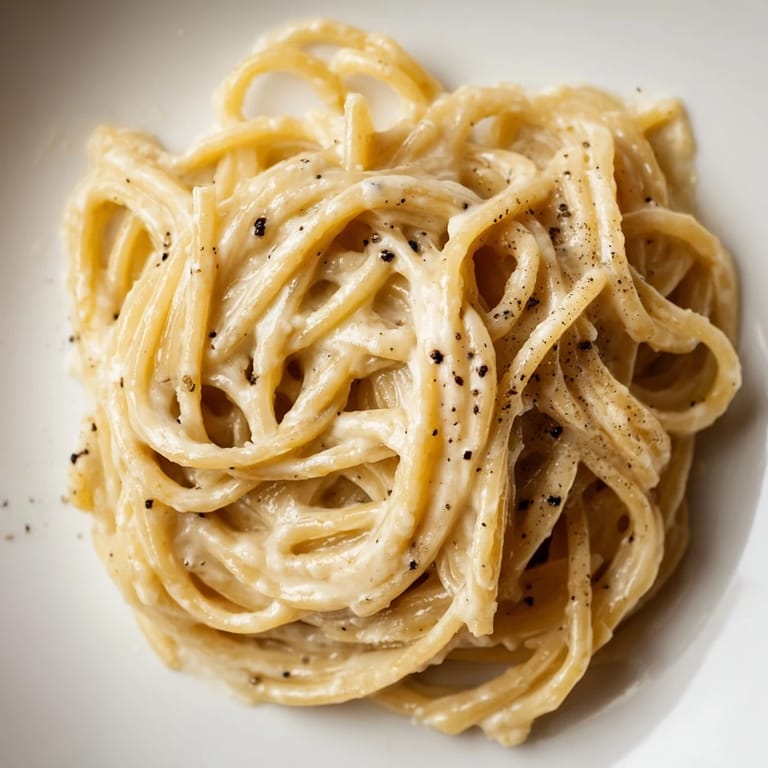
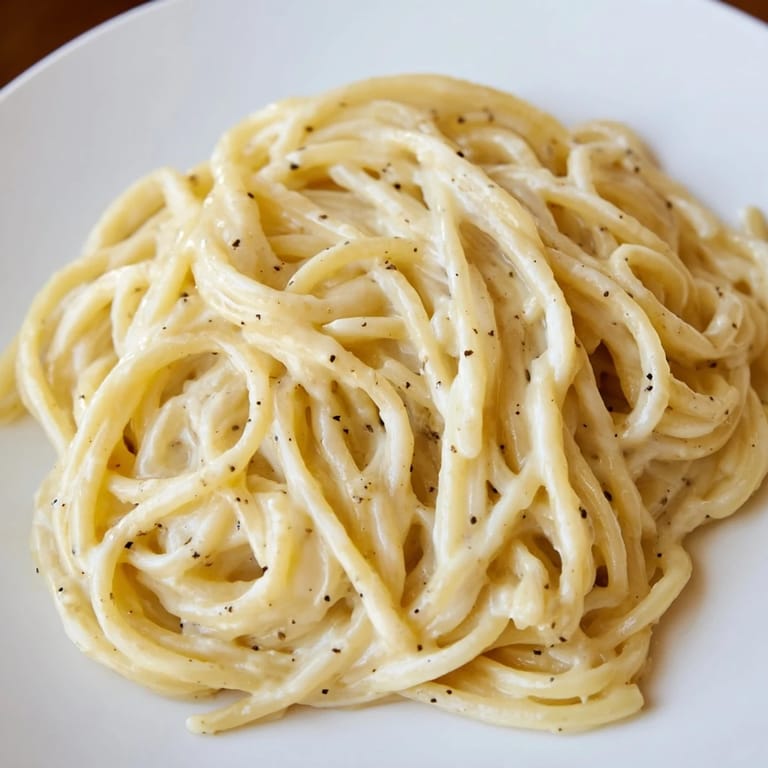
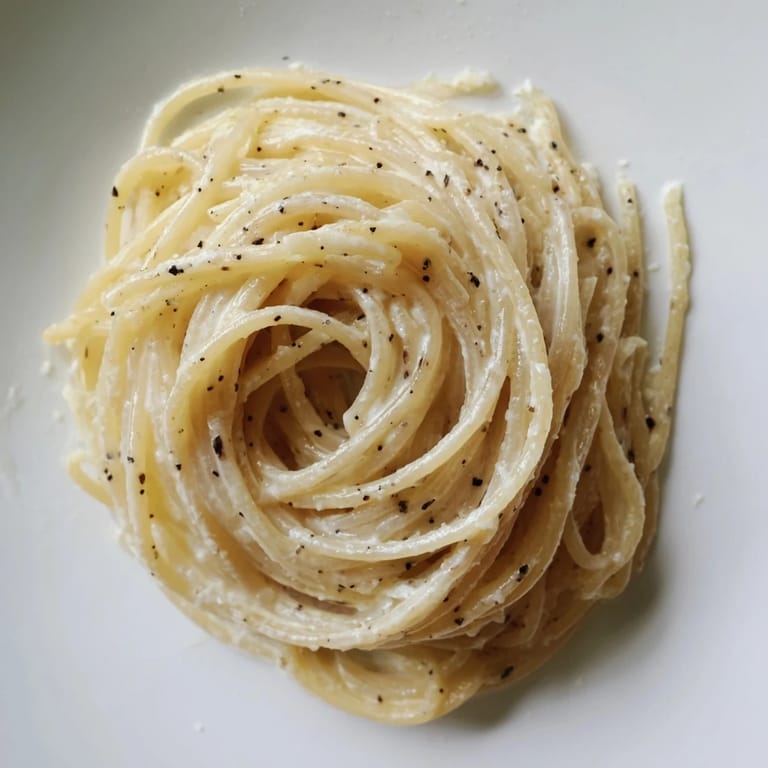
- Once the sauce clings to the pasta like cream, plate it up immediately and top with more cheese and a heavy crack of pepper. It waits for no one.
 Save to Pinterest
 One winter night I made this after a long shift, too tired to think, and I stood there eating it over the sink in the dark. The pepper burned my lips a little, the cheese stuck to the roof of my mouth, and I remember thinking this is exactly what I needed. Sometimes a dish doesnt need to be fancy, it just needs to make you feel human again.
Getting the Sauce Right
The first time I tried this, I ended up with clumpy cheese soup because I dumped everything in at once like a fool. The trick is low heat, constant motion, and adding the cheese slowly so it melts into the water instead of seizing up. If it starts to look dry, add more pasta water a splash at a time. The sauce should coat the back of a spoon and cling to each strand like silk, not pool at the bottom of the bowl.
Choosing Your Cheese
Pecorino Romano is sharper and saltier than Parmesan, with a bite that defines this dish. I tried making it once with pre grated cheese from a bag and it tasted like cardboard, no creaminess, no life. Grate it yourself right before you cook, and if you want a milder version, you can mix in some Parmigiano Reggiano, but dont skip the Pecorino entirely or youll lose the whole point.
Pairing and Serving
This dish is rich enough to stand on its own, but a simple arugula salad with lemon and olive oil cuts through the richness perfectly. I like to pour a cold glass of Vermentino or Pinot Grigio alongside, something crisp and bright to balance all that cheese and pepper.
- Serve it in warm bowls so the sauce doesnt stiffen up before you get to the table.
- Leftovers are tricky because the sauce tightens as it cools, but you can revive it in a pan with a splash of water or broth.
- If youre feeling fancy, finish it with a drizzle of good olive oil and a few shavings of extra Pecorino on top.
 Save to Pinterest
 Now when I make cacio e pepe, I think of Maria and her nonna and all the hands that stirred this same simple magic before me. Its just pasta, cheese, and pepper, but somehow it tastes like home.
Recipe FAQs
- → Why is the pasta water so important in this dish?
The starchy pasta water acts as an emulsifier, helping the cheese and pepper combine into a creamy sauce without breaking. It prevents the cheese from clumping and creates the signature silky texture.
- → Can I use pre-grated Pecorino Romano?
Freshly grated cheese works best as it melts more smoothly and creates a better sauce. Pre-grated varieties often contain anti-caking agents that can affect the final texture.
- → What's the best substitute for Pecorino Romano?
Parmigiano Reggiano is an excellent alternative, though it will provide a milder, slightly sweeter flavor compared to the sharp saltiness of Pecorino Romano.
- → How do I achieve the perfect al dente texture?
Cook spaghetti according to package directions but check it one minute before the recommended time. It should be tender but still firm when bitten. Remember to reserve pasta water before draining.
- → Can I make this dish in advance?
This dish is best served immediately after cooking. The sauce continues to set as it cools, so reheating can make it thick and clumpy rather than creamy.
- → What wine pairs well with this pasta?
Crisp white wines like Vermentino or Pinot Grigio complement the dish beautifully. The acidity cuts through the richness of the cheese while the minerality enhances the pepper's bite.