 Save to Pinterest
 There's a particular moment that stays with me—standing in a London tea shop on a grey afternoon, watching steam rise from delicate cups while the pastry chef slid a tray of something golden and gleaming into the display case. The woman next to me leaned over and whispered that they'd infused the filling with Earl Grey, which seemed almost scandalous in its elegance. That conversation sparked something, and months later, I found myself experimenting in my own kitchen, layer by layer, trying to capture that same sense of sophisticated indulgence but with a tropical twist.
I made these for my sister's book club, terrified they'd be too experimental or fall flat entirely, but something magical happened when everyone bit in—the room actually quieted down. One woman closed her eyes, and another asked for the recipe before she'd even finished chewing. That's when I realized this wasn't just about combining flavors; it was about creating a moment where ordinary afternoon tea felt like an event worth remembering.
Ingredients
- Unsalted butter (1 cup, softened): The base of a tender crust; softening it ahead means you won't overwork the dough and end up with something tough and bitter.
- Granulated sugar (1/2 cup for crust, 1 1/2 cups for filling): The first portion helps create that light, crumbly texture that cradles everything above it, while the second sweetens without overwhelming the tea.
- All-purpose flour (2 cups for crust, 2 tbsp for filling): More flour in the base keeps it sturdy; just a touch in the filling lets it stay delicate and custardy.
- Fine sea salt (1/4 tsp plus pinch): Trust this even though it seems invisible—it sharpens every other flavor and keeps the sweetness from feeling cloying.
- Earl Grey tea bags (2 total, contents only): The soul of these bars; use ones you'd actually drink because low-quality tea tastes like cardboard even when baked into something beautiful.
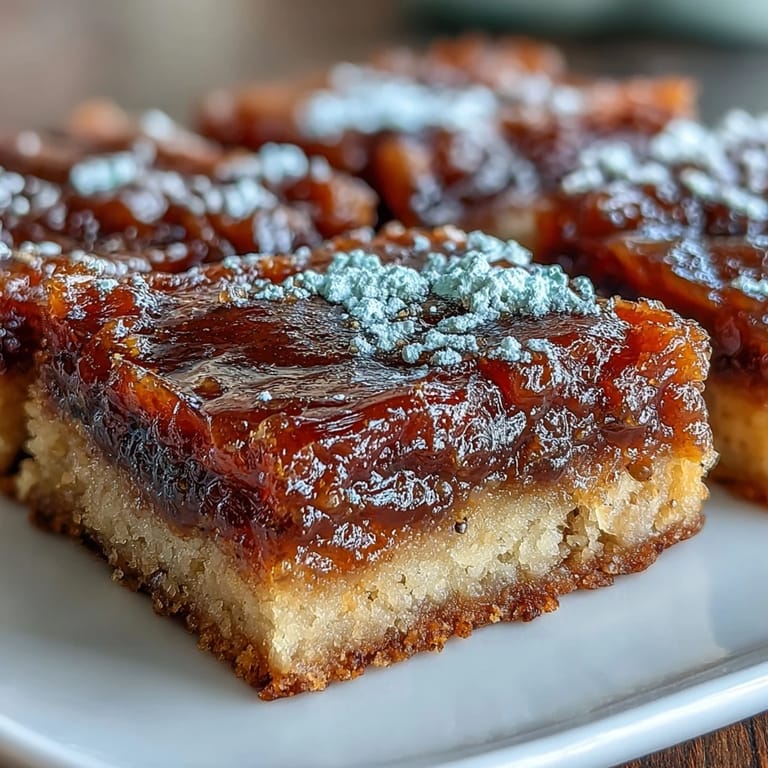
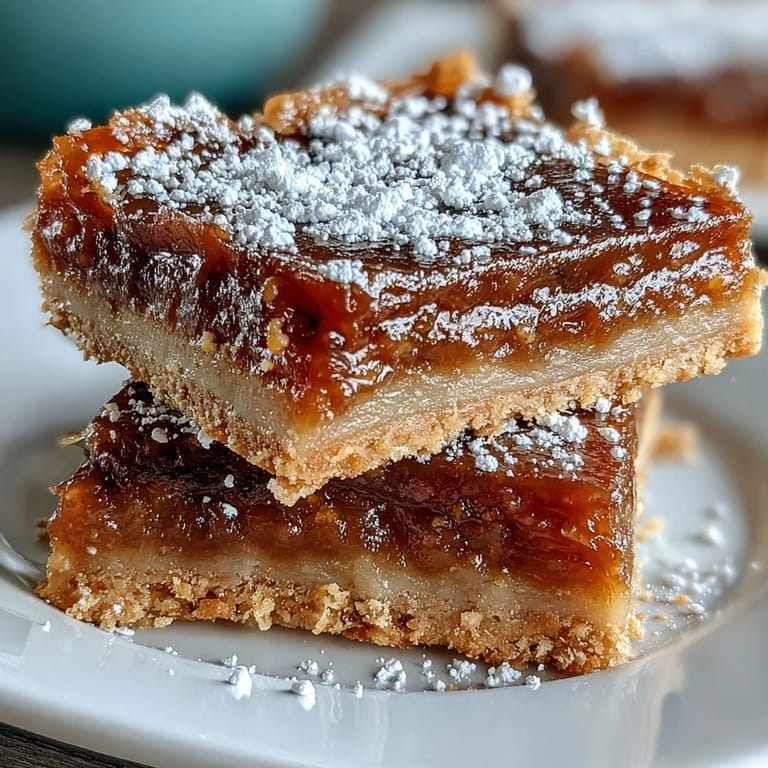
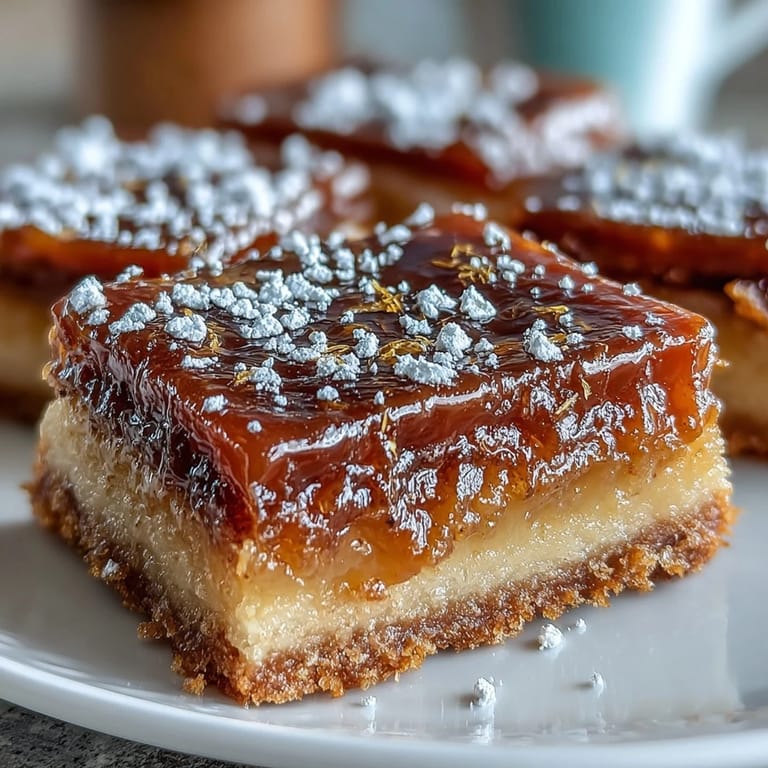
- Guava paste (1 cup, cubed): This bridges the gap between the buttery crust and bright filling, adding a jammy complexity that feels both modern and nostalgic.
- Eggs (4 large): They're what sets the filling into that perfect not-quite-solid shimmer; room temperature eggs whisk up lighter and airier than cold ones.
- Freshly squeezed lemon juice (2/3 cup): Bottled juice tastes thin and chemical here; fresh lemons make the difference between pretty and actually memorable.
- Lemon zest (from 1 lemon): Grate it just before mixing to capture those bright oils that disappear if you do it too early.
- Baking powder (1/2 tsp): A small lift helps the filling rise just barely, creating that tender, almost spongy texture.
- Powdered sugar (for dusting): A final whisper of sweetness and elegance right before serving.
Tired of Takeout? 🥡
Get 10 meals you can make faster than delivery arrives. Seriously.
One email. No spam. Unsubscribe anytime.
Instructions
- Set your stage:
- Preheat the oven to 350°F and line your pan with parchment paper, leaving enough overhang so you can grab it later without burning your fingers. This small detail saves you from frustration when you're trying to extract warm bars.
- Build the foundation:
- Cream the softened butter and sugar until it's pale and fluffy—this takes about three minutes and matters more than you'd think. Once you add the flour, salt, and tea leaves, mix just until crumbly; overworking it now makes the crust dense and sad.
- Bake the base:
- Press the mixture evenly into the pan and bake for eighteen to twenty minutes until the edges turn golden but the center still feels slightly tender. It will firm up as it cools and makes room for what comes next.
- Prepare the guava layer:
- While the crust bakes, warm the guava paste with water over low heat, stirring constantly until it becomes spreadable and glossy. You want it warm enough to adhere to the hot crust but not so hot it cracks.
- Layer thoughtfully:
- Spread the guava paste immediately over the hot crust in an even layer, working quickly but gently so you don't disturb what's beneath. It'll cool and set slightly, creating a barrier between the crust and filling.
- Create the filling:
- Whisk eggs and sugar together until pale and smooth, then fold in the flour, baking powder, tea contents, lemon juice, zest, and salt until just combined. The filling should look like a pale, fragrant custard waiting to be transformed.
- Bring it together:
- Pour the filling carefully over the guava layer and return to the oven for fifteen to eighteen minutes—the center should jiggle just slightly when you gently shake the pan. It keeps cooking as it cools, so don't overbake or it'll become rubbery.
- Cool and set:
- Let the bars cool completely at room temperature, then refrigerate for at least two hours until the filling firms up enough to cut cleanly. This patience pays off in perfectly sliced squares instead of crumbly mess.
- Finish with flourish:
- Use the parchment overhang to lift the whole thing out, cut into sixteen squares, and dust each one with powdered sugar right before serving. That powdered sugar is your final signature.
 Save to Pinterest
 My neighbor tasted one and immediately asked if I could make them for her daughter's engagement party. That simple question transformed these bars from an experiment into something I'd make again and again, each time feeling like I was creating edible celebration. There's power in that—when something you made becomes part of someone else's important moments.
The Tea Matters More Than You Think
The first batch I made, I grabbed whatever tea was closest, and the result tasted vaguely floral but ultimately forgettable. Since then, I've learned that Earl Grey quality varies wildly—some versions lean heavy on bergamot, others whisper it softly. Spend a moment actually tasting your tea before it goes into the batter; if it tastes good enough to drink on its own, it'll taste remarkable baked into these bars. The tea leaves themselves add texture and deepness that can't be faked.
Why Guava Paste is the Secret Weapon
I almost made these with raspberry jam once, thinking it would be a reasonable swap, but something told me to stick with guava. Guava has this tropical weight that grounds the tea and lemon, preventing the whole thing from feeling too light or one-dimensional. It's floral enough to echo the Earl Grey but sweet enough to balance the citrus bite, creating harmony instead of competition. Many people don't think about guava as a baking ingredient, which is exactly why these bars surprise everyone who tries them.
Serving and Storage Wisdom
These bars sing when served slightly chilled with Earl Grey tea or even sparkling wine if you're feeling fancy—the temperature contrast and flavor pairing elevate the whole experience. Store them covered in the refrigerator for up to four days, and they'll keep their texture and flavor beautifully. You can also freeze them for a month, though I rarely have them around long enough to test that theory.
- Cut these with a hot, wet knife and wipe it clean between cuts for neat, beautiful squares.
- Dust with powdered sugar just before serving so it doesn't absorb moisture and disappear.
- These are perfect for tea time, but equally lovely as a sophisticated dessert after dinner when you want something lighter than cake.
 Save to Pinterest
 These bars taught me that fusion doesn't mean complicated—it means listening to what flavors want to say to each other and getting out of the way. Every time I make them, someone asks for the recipe, and I've stopped being surprised by that.
Recipe FAQs
- → What makes these bars unique?
The combination of Earl Grey tea's floral bergamot notes with tropical guava creates a sophisticated fusion dessert that elevates classic lemon bars.
- → Can I make the tea flavor stronger?
Yes, steep 2 Earl Grey tea bags in the lemon juice for 10 minutes before straining. This infuses the citrus with more pronounced tea notes.
- → How long do these bars need to chill?
Refrigerate for at least 2 hours after cooling completely. This ensures clean cuts and proper texture when slicing.
- → What can I use instead of guava paste?
Guava jelly works as a substitute, though the paste provides a thicker, more concentrated layer. Adjust by reducing any liquid in the jelly.
- → How should I store these bars?
Keep refrigerated in an airtight container for up to 5 days. Add powdered sugar just before serving for the freshest appearance.
- → Can I freeze these bars?
Yes, freeze undusted bars in layers separated by parchment for up to 3 months. Thaw overnight in the refrigerator before serving.