 Save to Pinterest
 My sister texted me a photo of these delicate mini cakes at a spring garden party, and I couldn't stop staring at it—those pastel buttercream swirls with real edible flowers made them look like something from a dream. I'd never made anything quite so fancy before, but something about the challenge of layering something so small felt exciting. The first time I baked these for her actual birthday, my kitchen smelled like butter, vanilla, and possibility all at once. What struck me most wasn't the difficulty—it was how personal each tiny cake felt, like I was creating six individual celebrations on a single plate. Now they're my go-to when someone deserves something that tastes as beautiful as it looks.
I'll never forget watching my best friend's face when she saw these on her birthday table—she actually gasped, which isn't something she does often. She thought I'd ordered them from some fancy bakery, and when I told her I'd made them myself, she didn't believe me until I described messing up the first batch by overbaking the sponge. That honesty made the moment real somehow, and now we joke that the burnt batch was my tuition in the school of tiny layer cakes.
Ingredients
- All-purpose flour (1 1/4 cups): This is your foundation—make sure it's fresh and measured correctly by spooning and leveling, not scooping straight from the bag, or your cakes will be dense.
- Baking powder (1 tsp): Don't skip this; it's what gives these delicate cakes their tender crumb.
- Salt (1/4 tsp): A pinch heightens the vanilla and lemon without tasting salty.
- Unsalted butter (1/2 cup for cake, 3/4 cup for frosting): Room temperature is non-negotiable—cold butter won't cream properly and your cake will be heavy.
- Granulated sugar (3/4 cup): This aerates the butter and creates lift; spending time beating it properly matters more than you'd think.
- Eggs (2 large, room temperature): Cold eggs don't incorporate smoothly, so pull them out 30 minutes before baking if you remember.
- Vanilla extract (1 tsp for cake, 1 tsp for buttercream): Use pure vanilla—the artificial stuff tastes thin and chemical against the delicate lemon.
- Lemon zest (1/2 tsp): Zest right before mixing and use a microplane; it makes a real difference in brightness.
- Whole milk (1/2 cup): Room temperature milk incorporates smoothly without shocking the batter.
- Powdered sugar (2 cups, sifted): Sifting isn't just fancy—it eliminates lumps that'll make your frosting gritty.
- Heavy cream or whole milk (1-2 tbsp for frosting): Add gradually until you hit that cloud-like consistency; too much and it breaks, too little and it's stiff.
- Food coloring (optional): Pastel gels work better than liquids because they don't thin out your frosting.
- Edible flowers (1 cup): Buy from specialty food suppliers or farmers markets—grocery store flowers are often treated with pesticides, and you're literally putting these in your mouth.
Tired of Takeout? 🥡
Get 10 meals you can make faster than delivery arrives. Seriously.
One email. No spam. Unsubscribe anytime.
Instructions
- Set your stage:
- Preheat your oven to 350°F and line a 9x13 baking sheet with parchment paper, then give it a light grease so the corners don't stick. Having everything ready before you start mixing is the difference between a smooth process and scrambling halfway through.
- Bring your dry ingredients together:
- Whisk flour, baking powder, and salt in a medium bowl so they're evenly distributed. This is where you're actually incorporating air, not just mixing, so use quick movements and feel the flour lighten up.
- Cream your butter and sugar until it's pale:
- In a large bowl, beat softened butter and sugar for about three minutes—you're looking for a color like fluffy clouds, not smooth paste. This is your lift; don't rush it or your cake will be flat.
- Fold in your eggs carefully:
- Add eggs one at a time, beating well after each so they emulsify into the butter rather than sitting as little pools. Add your vanilla and lemon zest here too, so the fragrance gets beaten throughout.
- Alternate wet and dry like you're playing a game:
- Add half the flour mixture first, stir gently until just combined, then add the milk, then the remaining flour—this method prevents overmixing and keeps your cake tender. Gentle folds are your friend here.
- Spread and bake your cake sheet:
- Pour batter onto your prepared sheet and smooth it into an even layer with an offset spatula. Bake for 18-22 minutes until a toothpick comes out clean—don't open the oven door before 18 minutes or you'll invite deflation.
- Cool completely before cutting:
- Let the cake cool all the way to room temperature, which might take an hour—impatience leads to crumbly cake rounds. While you wait, you can make the buttercream.
- Cut your mini rounds with precision:
- Using a 2.5-3 inch round cutter, gently press straight down without twisting, which would seal the edges and make them tough. You'll get 12 circles from a standard sheet, and any scraps can become cake pops if you're feeling resourceful.
- Build your buttercream into clouds:
- Beat softened butter until creamy, then gradually add sifted powdered sugar, vanilla, salt, and milk—the gradual approach prevents that powdery cloud of sugar everywhere. Beat until light and fluffy, about 2-3 minutes, and add a touch more milk if it seems stiff.
- Stack your layers with care:
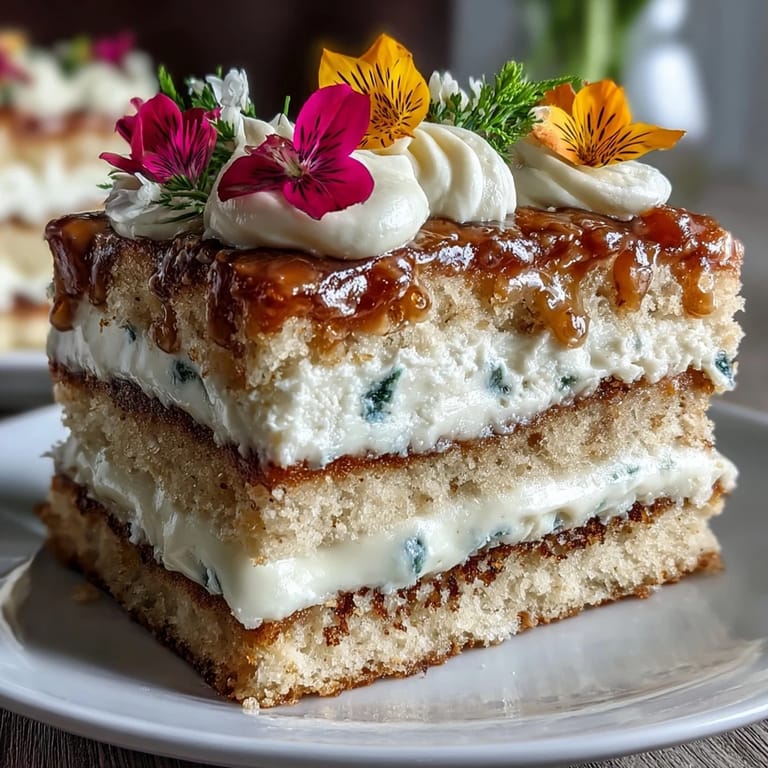
- On a serving plate, place one cake round and spread it with a thin layer of buttercream—about the thickness of a credit card. Top with a second round and add another thin layer, then crown it with buttercream and your flowers.
- Arrange your edible flowers like you mean it:
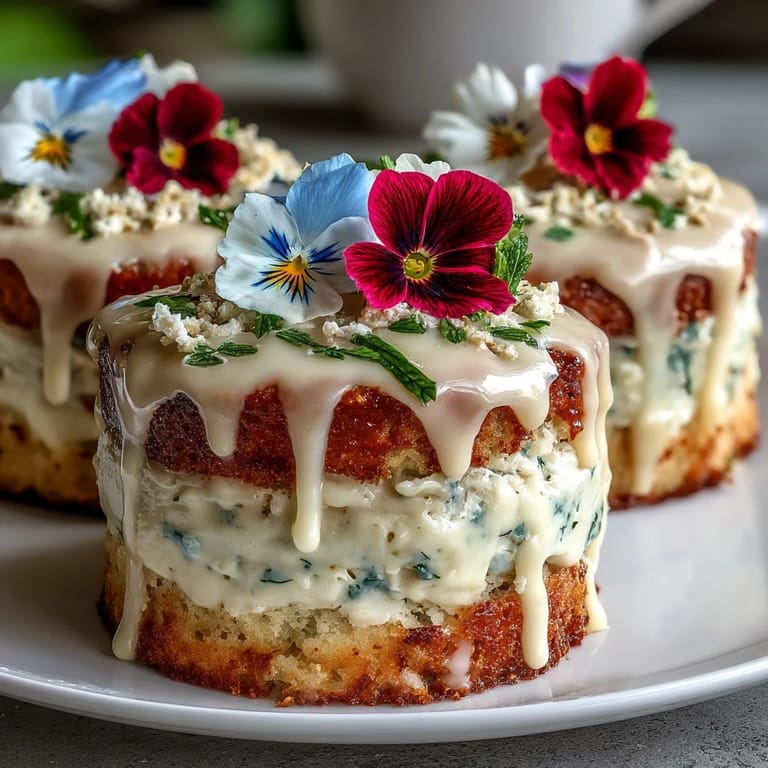
- These are the stars, so don't just plop them down—nestle them into the buttercream at slight angles, maybe cluster a few of the same type together. The composition is half the magic here.
- Chill before serving:
- Fifteen minutes in the fridge sets everything up and makes the cakes easier to move and more stable to eat. This is also when the flavors settle and the texture becomes just right.
 Save to Pinterest
 The moment someone bites into one of these cakes and their eyes go wide—that's when I realize why I keep making them. It's not just that they taste like spring in buttercream form, but that they feel like edible art, like you made something that matters because you took time with the small details. These cakes are proof that sometimes the fanciest things are just the simple things done with intention.
The Science Behind Tender Layers
The secret to these cakes staying tender instead of becoming dense little hockey pucks is all about how you incorporate your ingredients. When you cream butter and sugar, you're literally beating tiny air bubbles into the mixture, which expand during baking and create lift. The leavening power of baking powder gives you extra rise, but the aeration from creaming is what creates that delicate crumb structure that makes each bite feel weightless. This is why room temperature eggs and milk matter so much—they incorporate smoothly into the butter without shocking it, which would break down those precious air bubbles you just created. It sounds technical, but really you're just giving your cake every chance to be as fluffy as it can be.
Working with Edible Flowers
The first time I bought edible flowers, I made the mistake of just grabbing whatever looked pretty at the farmers market without asking if they were actually food-safe—turns out some vendors treat their flowers with chemicals that absolutely should not go in your mouth. Now I always ask directly where the flowers come from and whether they've been treated with anything, and I buy from the same few trusted sources every time. The flowers are delicate and bruise easily, so handle them minimally and add them just before serving if possible. If you need to prep them ahead, store them in a sealed container lined with parchment paper in the fridge—they'll keep for a few hours without wilting. Different flowers have different flavors too, so violas are slightly sweet and minty, nasturtiums are peppery, and pansies are mild—knowing this helps you choose varieties that complement your vanilla-lemon cake instead of competing with it.
Make-Ahead Magic and Storage Tips
One of my favorite things about these cakes is that you can bake and frost them a full day ahead, then add the edible flowers just before serving—this means less stress when guests are actually arriving. The cake rounds keep well in an airtight container at room temperature for up to two days, and the buttercream can be made the night before and stored in the fridge, then brought back to room temperature and re-whipped for 30 seconds before using. If you're really planning ahead, you can even bake the sheet cake, cut it, and freeze the rounds for up to three weeks—just thaw them gently at room temperature before assembling. Don't refrigerate the finished cakes for more than a few hours though, because the buttercream can firm up too much and the cake can dry out slightly.
- Cut out your cake rounds and stack them with parchment between layers to keep them fresh and prevent sticking.
- Make buttercream the night before and store it covered at room temperature so it's already soft when you need it.
- Add edible flowers as the very last step so they stay vibrant and picture-perfect.
 Save to Pinterest
 These mini cakes have become my answer to the question, what do I make when someone deserves to feel truly celebrated? They're small enough to feel manageable but special enough that the effort shows. Every time I make them, I'm reminded that sometimes the best gifts are the ones that took real time and care.
Recipe FAQs
- → How can I ensure the cakes stay moist?
Brushing each layer with a light citrus syrup before assembling helps retain moisture and enhances flavor.
- → What types of edible flowers can I use safely?
Use food-safe, pesticide-free flowers such as violas, pansies, and nasturtiums sourced from reputable suppliers.
- → Can I tint the buttercream with natural colors?
Yes, pastel shades can be achieved using natural food coloring or small amounts of fruit and vegetable purees.
- → What is the best way to cut the cake layers evenly?
Use a 2.5 to 3 inch round cutter for uniform mini layers, re-rolling scraps if needed to minimize waste.
- → How should leftover cake scraps be used?
Leftover pieces can be repurposed into cake pops or crumbs for dessert toppings, reducing waste.