 Save to Pinterest
 The first time I made döner at home, I was chasing the memory of a street vendor in Istanbul who'd been working the same spit for thirty years—his hands moved with such ease, peeling paper-thin slices like he was reading a book. I realized that recreating that magic didn't require a vertical rotisserie or years of practice; it required patience, a good marinade, and respecting the layering. That afternoon in my kitchen, with the oven warming and spiced meat stacked on skewers, I understood why this dish had traveled across continents and into so many hungry hands.
I served this to friends on a Friday night, and someone asked if I'd been cooking it all afternoon—the aroma had filled the apartment by the time they arrived. When I sliced into that first batch and the meat fell away in tender ribbons, I saw their faces light up in a way that made all the marinating time feel worthwhile. It became the kind of dish people ask you to make again, the one that gets remembered.
Ingredients
- Lamb shoulder or beef sirloin, thinly sliced (1 kg): The cut matters because you want meat that's tender enough to break apart easily but substantial enough to hold the spices. I learned to slice mine about the thickness of a playing card—thin enough to cook through quickly, thick enough not to fall apart when layering.
- Lamb or beef fat, thinly sliced (100 g): This is optional, but it's the secret to that rich, authentic flavor that makes the meat juicy rather than lean and dry. If you can find it, don't skip it.
- Greek yogurt (150 g): The yogurt isn't just a binder; the lactic acid tenderizes the meat while adding a subtle tang that balances the spices.
- Olive oil (3 tbsp): Use a good quality oil here—it carries flavor and helps the spices coat the meat evenly.
- Garlic, minced (3 cloves): Mince it fine so it distributes throughout the marinade without leaving harsh, raw pieces.
- Grated onion, juice squeezed out (1 large onion): The grating releases the onion's sweetness and helps break down the meat; squeezing out the juice prevents the marinade from becoming watery.
- Ground cumin (2 tsp): This is the backbone of the spice profile—warm, earthy, and unmistakably Turkish.
- Ground coriander (2 tsp): It adds a subtle citrus note that lifts the heavier spices.
- Sweet paprika (2 tsp): This gives you sweetness and color without heat.
- Smoked paprika (1 tsp): The smoke mimics what you'd get from a rotisserie flame, even when cooking in the oven.
- Ground black pepper (1 tsp): Freshly ground, if possible, so it's sharp and alive.
- Salt (1 ½ tsp): Season boldly—this is what draws out the meat's natural juices and helps everything meld together.
- Ground cinnamon (½ tsp): Just a whisper of warmth and complexity that most people won't identify but will definitely taste.
- Chili flakes (½ tsp, optional): Add this if you want a gentle heat that builds as you eat.
Tired of Takeout? 🥡
Get 10 meals you can make faster than delivery arrives. Seriously.
One email. No spam. Unsubscribe anytime.
Instructions
- Build Your Marinade:
- Combine the yogurt, olive oil, minced garlic, and squeezed grated onion in a large bowl, then stir in all the spices—cumin, coriander, both paprikas, black pepper, salt, cinnamon, and chili flakes if using. Mix thoroughly until it looks like a thick paste with no dry spice hiding at the bottom. This is your flavor foundation, so take a moment to actually smell it; that's the aroma that's about to coat your meat.
- Coat the Meat:
- Add your thinly sliced meat (and fat, if using) to the marinade and stir gently but thoroughly, making sure every piece gets coated. Cover the bowl with plastic wrap and refrigerate for at least four hours, or ideally overnight—the longer it sits, the more the yogurt works its tenderizing magic and the deeper the spices penetrate.
- Heat Your Oven:
- Preheat your oven to 200°C (400°F) about thirty minutes before you're ready to cook. If you have a vertical rotisserie or grill, now is the time to prepare it according to the manufacturer's instructions—that's the most authentic method, though the oven works beautifully too.
- Layer and Stack:
- Thread the marinated meat tightly onto long metal skewers, pressing down firmly as you go to create a compact, cohesive stack—this helps it cook evenly and stay juicy. Alternatively, layer it tightly in a loaf pan, pressing down between each layer so everything bonds together during cooking. The goal is a unified block rather than loose pieces.
- Roast and Baste:
- Place your skewers or loaf pan on a rack set over a baking tray (to catch drippings), then roast for about one hour, basting occasionally with the pan juices. You'll notice the exterior developing a dark caramelized crust while the interior stays tender—that's exactly what you want. When you reach about fifty minutes, increase the oven temperature to 220°C (430°F) for the final fifteen minutes to deepen that crust and add extra color.
- Rest Before Slicing:
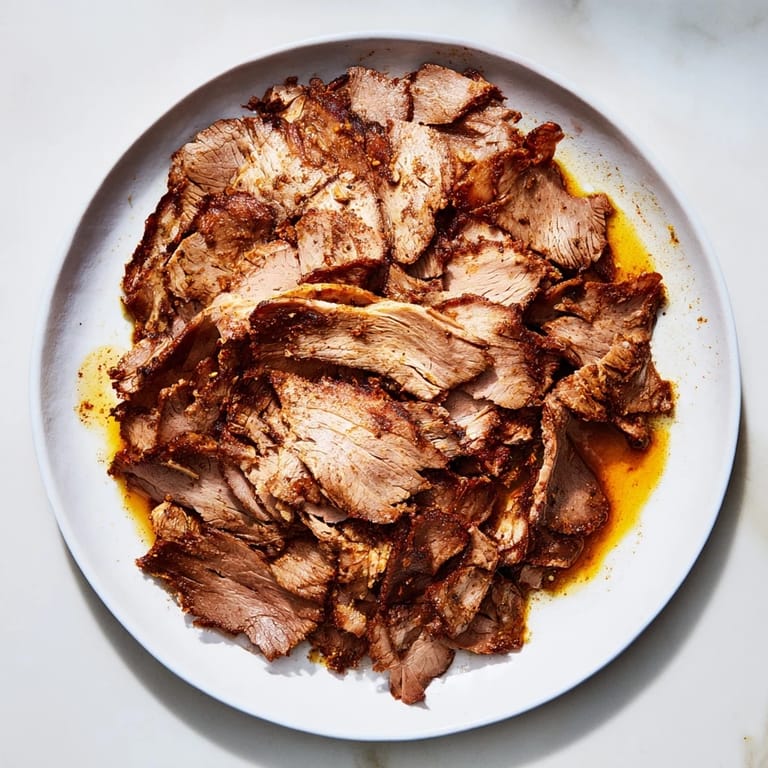
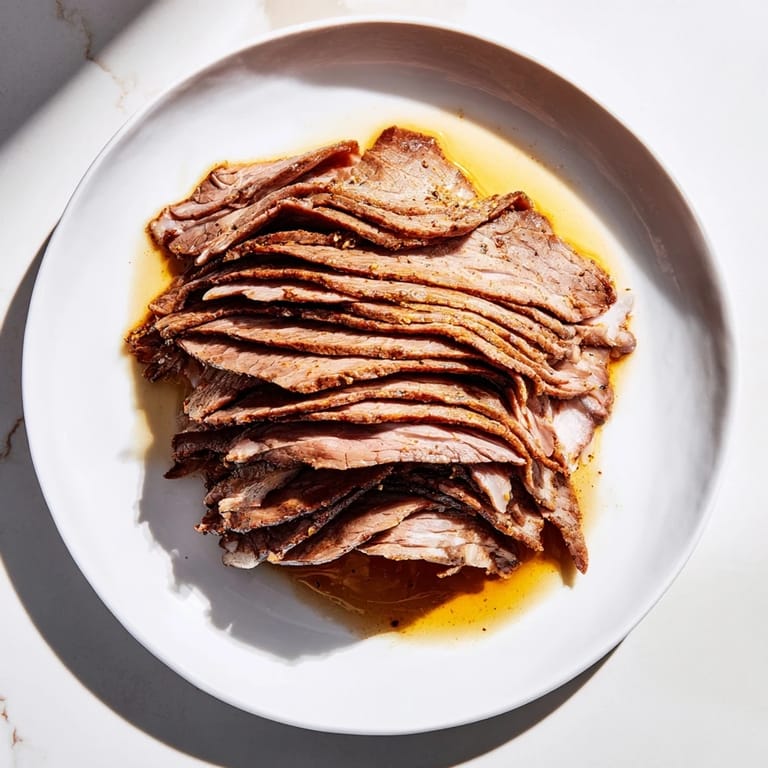
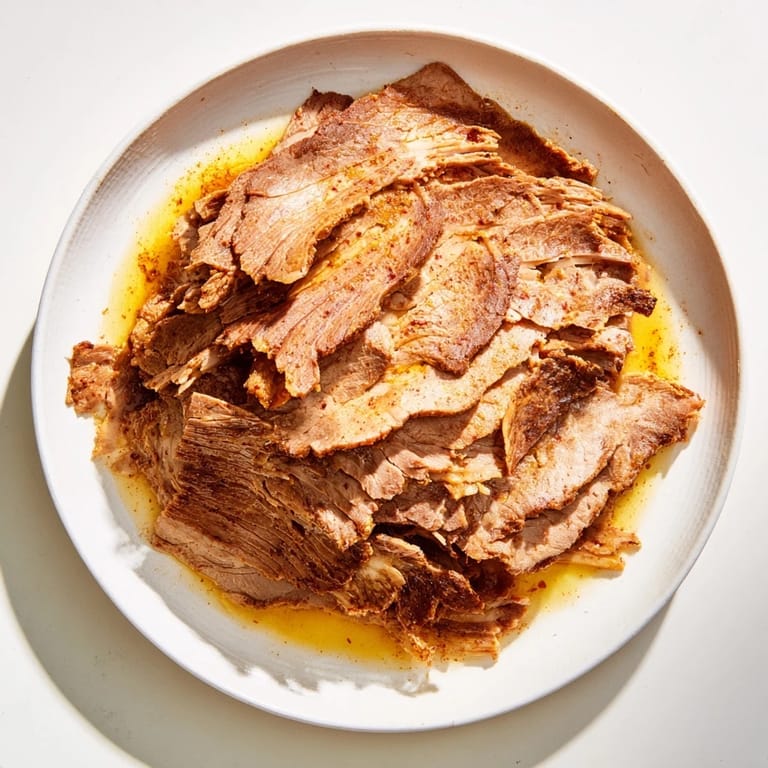
- Remove the meat from the oven and let it rest for ten minutes before slicing—this allows the juices to redistribute and keeps each slice tender rather than dry. Use a sharp knife to slice the meat as thin as you can manage, following the grain if it's on skewers or across the layers if it's from a loaf pan.
- Serve Immediately:
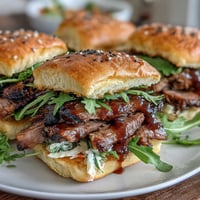
- Warm your pita or flatbread, arrange your fresh toppings nearby, and serve the sliced meat while it's still warm. Let everyone build their own wrap or plate, adding tomato, onion, lettuce, cucumber, and yogurt sauce according to their taste.
 Save to Pinterest
 What struck me most about this dish wasn't just how good it tasted, but how it brought people together—the kind of food that makes everyone gather closer, asking for just one more slice, building their own perfect bite. That's when I realized döner isn't about perfecting a technique; it's about understanding why this simple combination of meat, spice, and patience became a beloved tradition across cultures.
Making Döner at Home Versus the Street Vendor
The vertical spit you see in Istanbul or Berlin works because gravity and rotation do most of the work—meat cooks slowly from the outside in, and the dripping fat keeps everything moist. In a home oven, you're mimicking that by layering meat tightly, so it steams and braises in its own juices while the top caramelizes. You won't get that exact texture, but you'll get something equally delicious: tender, spiced meat that tastes like you've invested real thought into it.
Storage and Reheating
Leftover döner keeps well in the refrigerator for three to four days in an airtight container. When you're ready to eat it again, gently reheat it in a low oven (around 160°C) for about ten minutes, or warm it gently in a pan over medium heat with a splash of water or broth to add back the moisture that refrigeration took. It's never quite as magical as the first time, but it's still deeply satisfying.
Pairing and Serving Ideas
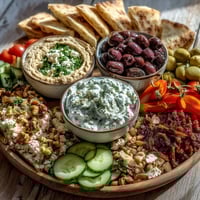
Döner is wonderfully flexible—wrap it in flatbread, serve it over rice with a simple salad, or layer it on a plate with roasted vegetables. Turkish white wines and Ayran (a salty yogurt drink) are traditional pairings that refresh your palate between bites, but honestly, cold water or a simple lemonade works beautifully too. If you're cooking for people with different preferences, set out all your toppings and let everyone customize their plate.
- Try serving it with a squeeze of fresh lemon and a drizzle of good yogurt or a garlicky sauce for richness.
- A crisp cucumber and tomato salad on the side balances the warmth and spice of the meat.
- If you have leftovers, transformed them into a grain bowl or a breakfast shakshuka the next morning—döner's versatility is part of its charm.
 Save to Pinterest
 Making döner at home is an act of generosity toward yourself and anyone you cook for—it's the kind of dish that tastes like you care, even though the technique is straightforward once you understand it. Every time you make it, you'll get a little closer to that feeling of biting into something that traveled across continents to land on your plate.
Recipe FAQs
- → What cuts of meat work best for this dish?
Boneless lamb shoulder or beef sirloin sliced thinly provide tender, flavorful layers essential for authentic textures.
- → How long should the meat marinate?
Marinate the meat at least 4 hours or overnight to ensure deep infusion of the yogurt and spices.
- → Can this be cooked without a vertical rotisserie?
Yes, thread the meat onto skewers or layer it tightly in a loaf pan and roast in the oven for similar results.
- → What spices enhance the flavor profile?
A blend of cumin, coriander, sweet and smoked paprika, black pepper, cinnamon, and optional chili flakes create the signature seasoning.
- → What are suitable accompaniments to serve?
Warm flatbreads, sliced tomatoes, onions, cucumbers, shredded lettuce, and yogurt-based sauces complement this dish beautifully.
- → Can leftovers be reheated?
Leftovers reheat well gently in a pan or oven without losing much tenderness or flavor.